
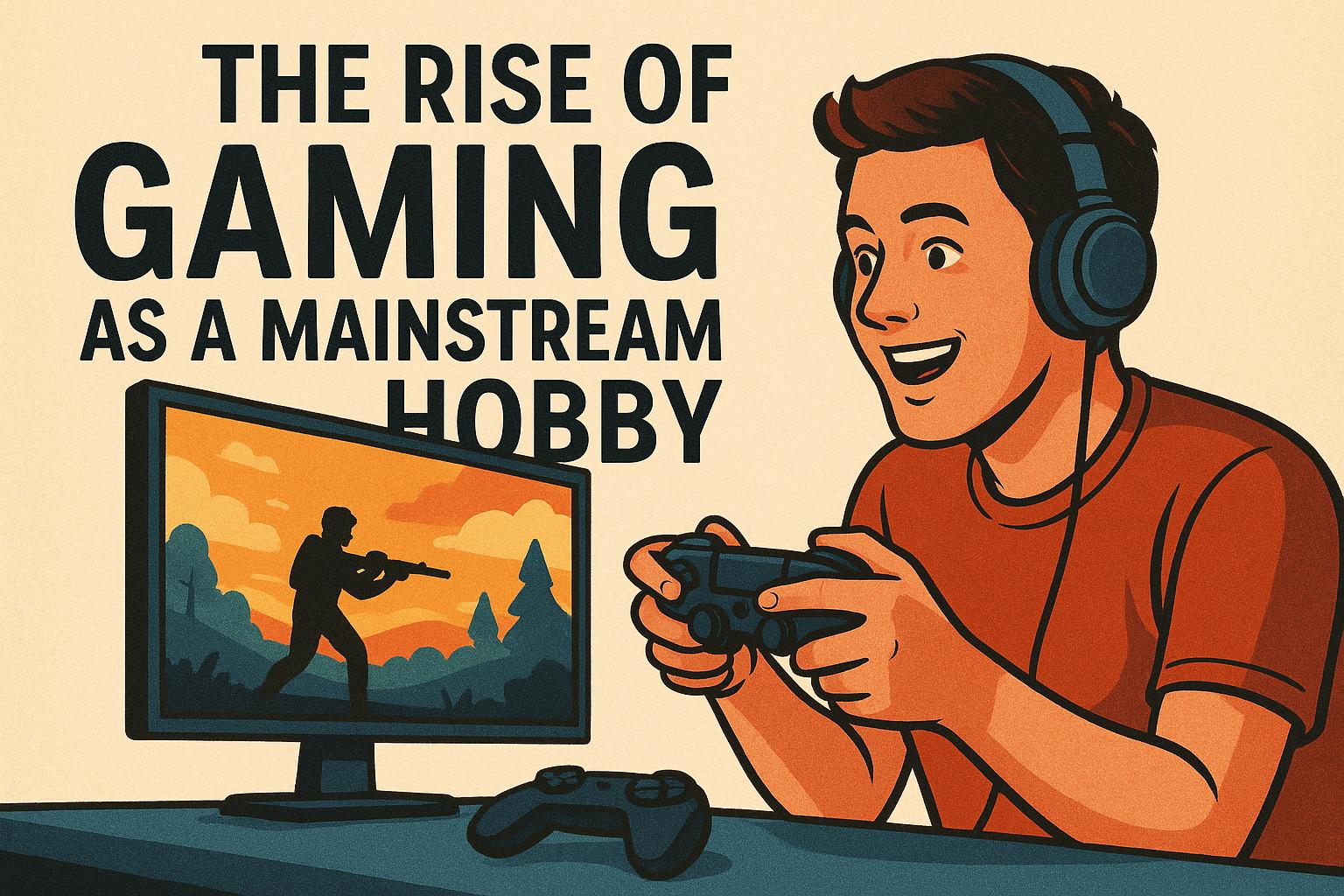
The Evolution of Gaming into Mainstream Culture
The landscape of gaming has undergone significant transformation over the past few decades. Initially considered a niche activity, gaming has evolved into a dominant form of entertainment and a staple in mainstream culture. This shift can be attributed to various factors, including technological advancements, the expansion of game genres, and the growth of online communities.
Technological Advancements
The technological progression within the gaming industry has played a pivotal role in its mainstream appeal. The evolution from simple 8-bit graphics to sophisticated 3D environments has captured the interest of a broader audience. Modern gaming consoles and powerful PCs offer experiences that rival Hollywood productions in both visual quality and storytelling. Moreover, the integration of virtual reality (VR) and augmented reality (AR) has further extended the boundaries of interactive entertainment.
In addition to improvements in graphics, advancements in processing power and storage have allowed games to become more complex and immersive. This has not only improved individual gaming experiences but has also enabled developers to create expansive open-world games that offer endless opportunities for exploration and creativity.
Accessibility and Affordability
Advances in technology have also made gaming more accessible and affordable. With the proliferation of smartphones and the development of cloud gaming services, people can enjoy high-quality games without the need for expensive hardware. This democratization of gaming has enabled a wider audience to partake in gaming, effectively weaving it into the fabric of everyday life.
Furthermore, subscription services like Xbox Game Pass and PlayStation Now offer players access to extensive game libraries at a fixed monthly fee, making it easier for individuals to explore different genres without a significant financial investment. The emergence of these services further lowers the barriers to entry, ensuring that gaming is within reach for many who might not otherwise have participated.
Diverse Game Genres
The expansion of game genres has also contributed to the mainstreaming of gaming. While once dominated by action-packed shooter and sports games, the industry now boasts a vast array of genres that cater to virtually every interest. From narrative-driven adventures and puzzling strategy games to relaxing simulations, there is a game for everyone.
This diversity has helped to break the stereotype that gaming is solely for young males. Today, gaming appeals to a broad demographic, including women and older adults, due in part to the variety of games that are available. For example, games like “Animal Crossing: New Horizons” and “The Sims” cater to those who enjoy creative and relaxing gameplay, whereas titles like “Stardew Valley” offer a blend of farming and role-playing elements that attract players seeking a multifaceted experience.
Esports and Competitive Gaming
The rise of esports has further cemented gaming’s status as a mainstream hobby. Competitive gaming has grown into a multi-billion-dollar industry, attracting large audiences both online and in stadium-like venues. Events such as the Dota 2 International and League of Legends World Championship have drawn viewership numbers that rival traditional sporting events.
Esports’ growth is not just limited to the professional level. Many educational institutions now offer esports programs and scholarships, acknowledging competitive gaming’s potential as a career path. These programs not only nurture talent but also legitimize gaming as a field of serious pursuit, akin to traditional sports.
Online Communities and Social Interaction
The proliferation of the internet has allowed for the development of vibrant online communities centered around gaming. These communities provide a platform for gamers to connect, share experiences, and collaborate on various game-related projects. Multiplayer games enable social interactions, turning gaming into a communal rather than solitary activity.
Online gaming has also facilitated cross-cultural exchanges, as players from different parts of the world collaborate or compete in real-time. This global interaction promotes cultural understanding and friendships that transcend geographical boundaries, making gaming a unifying force.
Streaming and Influencers
Platforms like Twitch and YouTube Gaming have further propelled gaming into the mainstream by making game-related content accessible to larger audiences. Influencers and content creators have amassed millions of followers, showcasing gameplay, providing commentary, and creating engaging content. These platforms have become essential for gaming companies to reach new audiences and for gamers to build careers.
The impact of influencers on the gaming industry cannot be overstated. They are pivotal in shaping gaming trends, highlighting indie titles, and even impacting game development decisions. Developers often collaborate with these content creators to gain valuable feedback and engagement from their fanbases, further solidifying the symbiotic relationship between them.
Education and Cognitive Benefits
Recent studies have highlighted the educational and cognitive benefits of gaming, further contributing to its acceptance as a valid hobby. Certain games have been shown to enhance problem-solving skills, improve hand-eye coordination, and even promote teamwork and leadership skills. This recognition has encouraged the incorporation of gaming into educational settings as a tool for learning.
Simulation games like “Kerbal Space Program” and puzzle-based games like “Portal” provide educational content in a format that is engaging and enjoyable. These games not only entertain but also educate players on complex subjects such as physics and logic, demonstrating the potential of gaming as a multifaceted medium.
Conclusion
Gaming has undeniably solidified itself as a cornerstone of contemporary leisure activities. Through technological advances, genre diversification, and the development of a rich online culture, gaming has transformed from a niche pastime into a significant facet of the global entertainment industry. As the industry continues to grow, its impact on society and culture will likely expand even further. The convergence of entertainment and technology in gaming has created opportunities unlike any other, providing both escapism and connection for millions worldwide.