
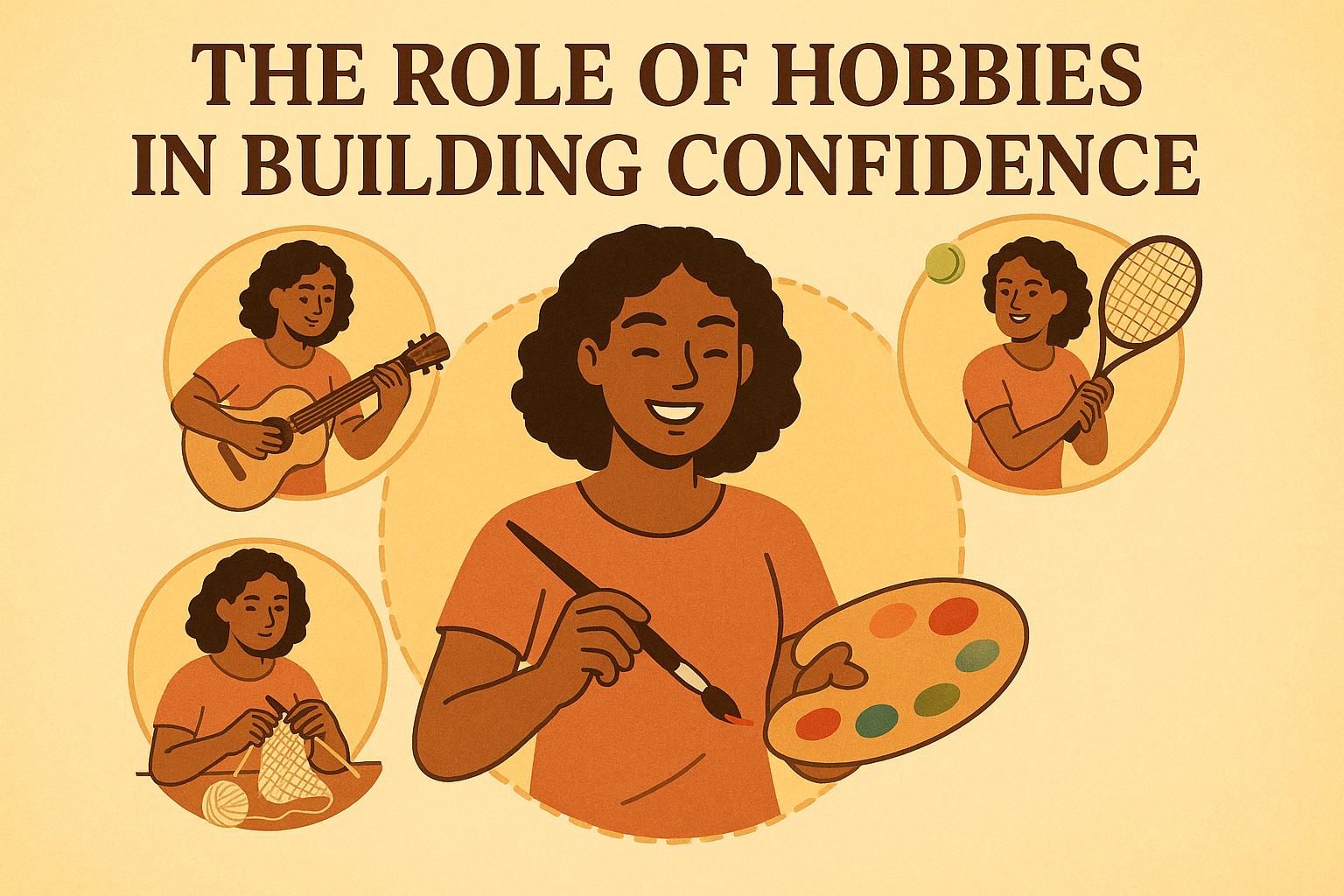
The Importance of Hobbies in Confidence Building
Hobbies play a significant role in personal development and overall well-being. They offer individuals a productive avenue to focus their energies and enhance various skills. Recognizing the influence of hobbies on building confidence can provide insights into personal growth strategies. For many, engaging in a hobby is not just about passing the time; it’s a way to pursue passions, evolve personally, and feel grounded. In this exploration, the focus is on understanding how different facets of hobbies contribute to building confidence.
Skill Development and Mastery
Engaging in hobbies allows individuals to develop and refine skills. Whether it’s playing a musical instrument, painting, or practicing a sport, each activity requires a set of skills that can be honed over time. As a person improves, they experience a sense of achievement. This accomplishment fosters self-efficacy, a critical component of confidence.
When one dives deeper into the dynamics of hobby-related skill development, there emerges a pattern of persistence and dedication. As individuals allocate time and effort to hone a skill, they inevitably face challenges that test their perseverance. Over time, overcoming these challenges solidifies the learning process, paving the way for mastery. It’s not merely about perfection but about continuous improvement. The recognition of progress, no matter how small, can meaningfully boost an individual’s self-esteem as they witness their own evolution.
Moreover, the ability to master a hobby-related skill often trickles into other areas of life. The confidence gained from knowing you can succeed in one domain makes it easier to approach unfamiliar challenges elsewhere. The perception of one’s abilities in a specific hobby becomes transferable, making it a cornerstone for holistic personal growth.
Stress Reduction and Relaxation
Hobbies serve as an outlet for stress, offering a break from the demands of daily life. Engaging in leisure activities like gardening, knitting, or reading can reduce mental fatigue and anxiety. The positive emotions elicited from such activities contribute to an individual’s overall mental health, indirectly boosting their confidence levels.
These activities function as a form of escapism, allowing individuals to momentarily leave behind stressors and refocus their thoughts. The immersion into a hobby often leads to a meditative state, where worries can fade into the background. This tranquility results in decreased anxiety and heightened happiness, which contribute to a more optimistic outlook on life.
When stress is reduced and relaxation is increased, individuals often find that they approach life’s challenges with a more positive attitude. The ability to manage stress effectively is crucial in maintaining a confident outlook. This stress-management sphere becomes pivotal in embedding resilience, enabling individuals to handle situations with clarity and grace, thus reinforcing their self-assurance in facing uncertainties.
Social Connections and Support
Many hobbies involve social interaction, whether through joining clubs, attending classes, or online forums. These platforms provide opportunities to form connections with others who share similar interests. Social engagement through hobbies enhances communication skills and promotes a sense of belonging.
As individuals become parts of these social circles, they contribute to discussions, share insights, and collaborate on projects. Such interactions develop interpersonal skills, which are vital in both personal and professional settings. The reinforcement from social circles offers validation and appreciation, establishing an environment of encouragement.
Furthermore, the relationships formed within hobby-based communities add another layer of support. Knowing that there are people who understand and share your passions provides a strong foundation for open exchanges of ideas, concerns, and triumphs. As individuals establish supportive networks, they gain validation and encouragement from peers, further enhancing their self-assurance.
Setting and Achieving Goals
Hobbies often involve setting specific objectives that individuals strive to achieve. For example, completing a challenging puzzle, finishing a marathon, or crafting a handmade item requires goal-setting and perseverance. Achieving these goals provides a sense of accomplishment, reinforcing the belief in one’s capabilities.
The process of setting and achieving targets in hobbies can mirror the process in other life endeavors. This process teaches vital lessons in patience and persistence. As individuals pursue their hobby-related goals, they learn how to break larger tasks into manageable portions, track their progress, and celebrate milestones.
Anticipating and overcoming setbacks not only enhances problem-solving skills but also ingrains a sense of resilience. By achieving goals within hobbies, individuals often find themselves armed with the confidence to tackle ambitions in more complex environments, reinforcing a broader scope of personal empowerment.
Encouraging Experimentation and Creativity
Many hobbies encourage creativity and experimentation, allowing individuals to explore their inventive potential. Activities such as writing, photography, or cooking invite people to try new techniques and ideas.
Within the safety of a hobby, individuals often face fewer constraints and pressures, making it easier to experiment without fear of significant consequences. This freedom to explore can lead to novel approaches and innovative ideas, unlocking potentials that may have been previously untapped.
As individuals break away from routine patterns and experience success in creative endeavors, they grow more confident in their ability to innovate and adapt to new situations. The creative process nurtures open-mindedness and adaptability, qualities that are essential in both learning and professional environments. The affirmation derived from creative success significantly enriches one’s sense of self and nurtures a robust confidence in their distinct capabilities.
Improved Physical Health
Some hobbies, like hiking or cycling, are physically demanding and contribute to better physical health. Regular physical activity has been associated with improved mood and energy levels.
Physical hobbies often lead to the release of endorphins, the body’s natural mood elevators. This physiological response results in an enhanced mood and promotes a more positive self-image. When individuals see improvements in their physical health and stamina, it contributes to their overall self-esteem.
Considering the embodied connection between mind and body, improvements in physical health often lead to an enhanced mental outlook. A healthier self-perception contributes to greater confidence in one’s physical presence and abilities. The empowerment that comes from the realization of one’s physical capabilities significantly enhances an individual’s self-worth.
Conclusion
Hobbies provide a multifaceted approach to building confidence by developing skills, enhancing social connections, reducing stress, and promoting creativity. Recognizing the impact of engaging in meaningful leisure activities can guide individuals toward greater personal growth and self-assurance. By immersing oneself in hobbies, individuals not only fortify their talents and builds networks but also carve out spaces for introspection and rejuvenation. Consistently pursuing hobbies enriches life, offering dynamic pathways for cultivating resilience and self-belief. For those seeking deeper insights into various hobbies and their benefits, visit this resource for more information.