

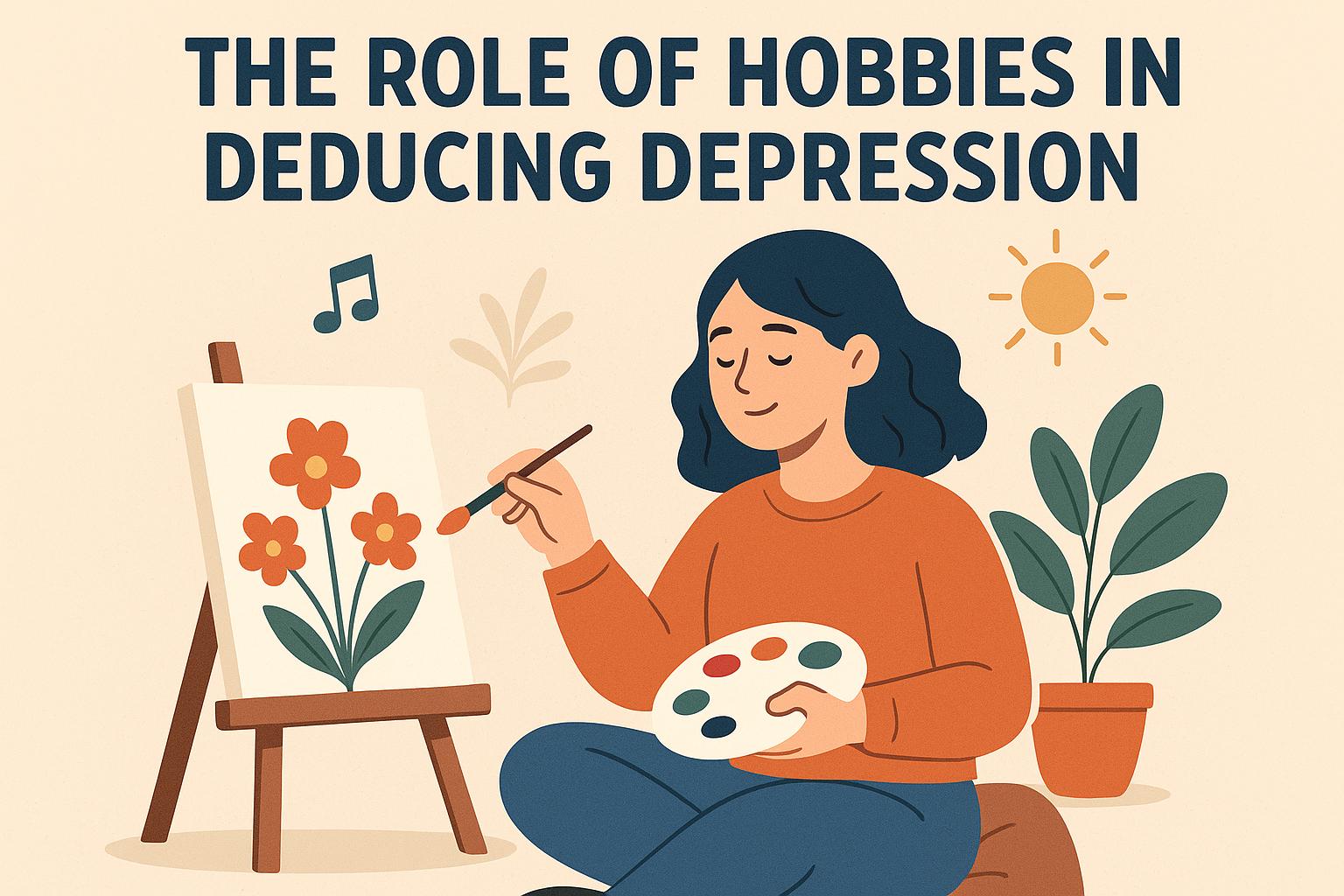
The Importance of Hobbies in Mental Health
In the fast-paced world where stress often emerges as an unwelcome companion, the role of hobbies in maintaining mental health cannot be overstated. As a supplementary tool, hobbies provide a myriad of benefits, especially when it comes to alleviating symptoms of depression. Professional treatments such as therapy and medication remain crucial for many individuals, yet incorporating hobbies into one’s routine offers unique advantages that support mental well-being.
Psychological Benefits of Hobbies
Hobbies present a wide array of psychological benefits that can serve as a buffer against the trials of daily life. Immersing oneself in an enjoyable activity creates an opportunity to shift focus away from stressors and negative thought patterns that commonly accompany depression. As stressors recede into the background, hobbies nourish the mind by fostering a sense of accomplishment. This achievement can be pivotal in enhancing self-esteem as individuals acquire new skills or refine existing ones.
Encouragement of Mindfulness
Mindfulness, an essential state of awareness focused on the present moment, finds a strong ally in several hobbies. Activities such as knitting, painting, or gardening require a level of focus that naturally promotes mindfulness. By investing their attention in the task at hand, individuals can break free from the cycle of anxiety and depression-induced rumination. Mindfulness practices find support in numerous research studies that demonstrate significant mental health improvements.
Social Interaction and Community Engagement
Beyond solitary engagement, hobbies often pave the way for social interaction, counteracting the isolation that can accompany depression. Group activities or shared interests create realms where individuals can connect and bond with others who share their passion. A sense of belonging and camaraderie emerges through these interactions, which can significantly uplift one’s mental state. Additionally, engaging with communities through clubs, workshops, or online forums enriches this experience, providing a platform for shared joy and mutual support.
Impact on Neuroplasticity
The benefits of hobbies extend to neurological health, influencing neuroplasticity, the brain’s remarkable ability to form new neural connections. By engaging in novel and challenging pursuits, the brain is encouraged to adapt, potentially easing some symptoms associated with depression. Activities that require complex coordination or cognitive engagement, such as playing a musical instrument or acquiring a new language, are particularly effective in promoting brain health and resilience against mental health challenges.
Reducing Stress Hormones
The physiological impact of hobbies should also be acknowledged. Regular participation in activities that bring joy can contribute to a reduction in cortisol levels, a stress hormone frequently elevated in cases of depression. The stress-relief provided by hobbies isn’t merely perceived, but is a measurable physiological response that supports overall health. For further understanding of this phenomenon, the Frontiers in Psychology provides insightful research on this topic.
Choosing the Right Hobby
The selection of a hobby is an important step in ensuring that it provides the intended mental health benefits. A hobby should be an activity that elicits joy rather than feeling like an obligation, which can inversely lead to stress. Personal interest is a critical factor in maximizing engagement and deriving benefits from the hobby; therefore, individuals should choose activities that align with their interests and passions. Additionally, practical considerations, such as time availability and access to resources, play a role in maintaining a hobby. For instance, someone with limited time might choose reading or sketching, while a person with access to community centers might explore group sports.
Moreover, it is important to recognize that hobbies are not one-size-fits-all solutions. Different individuals may respond variably to specific activities, highlighting the necessity of personal preference in choosing an appropriate hobby.
Integrating Hobbies into Daily Routine
For many individuals, integrating a new hobby into an already bustling schedule can seem daunting. However, evaluating one’s daily routine to find slivers of time for personal hobbies can be vastly rewarding. Creating a habit out of a hobby can ultimately lead to enhanced consistency and long-term engagement. Start small, perhaps allocating just 15 minutes per day, and gradually expand this as the activity begins to integrate seamlessly into the daily schedule. Consistency over time will yield greater benefits, nurturing both enjoyment and the development of a regular routine.
Hobbies as a Form of Self-expression
Hobbies offer a canvas for self-expression, allowing individuals to articulate feelings and thoughts that might be difficult to convey through words alone. Whether through painting, writing, or playing a musical instrument, these forms of expression can be therapeutic outlets, providing clarity and emotional release. The act of creation in itself is fulfilling and serves as an extension of the inner self, revealing layers of one’s identity, fostering self-discovery, and promoting mental well-being.
Exploration and Experimentation
One of the joys of hobbies lies in exploration and experimentation. A hobbyist might begin with a simple interest and gradually delve deeper, exploring various facets of the activity. Such engagement not only breeds passion but also stimulates creativity and prevents monotony. Adopting a mindset open to exploration allows individuals to pivot and evolve their hobbies, discovering new dimensions and keeping the experience fresh and invigorating.
In summary, while hobbies are not substitutes for professional mental health treatments, they represent a valuable adjunct to managing depression and other mental health challenges. By bestowing psychological, physiological, and social benefits, hobbies form an integral part of a holistic approach to mental health. Embracing hobbies can serve as a comforting retreat, providing both tangible and intangible rewards that contribute to an enriched, balanced life.


