
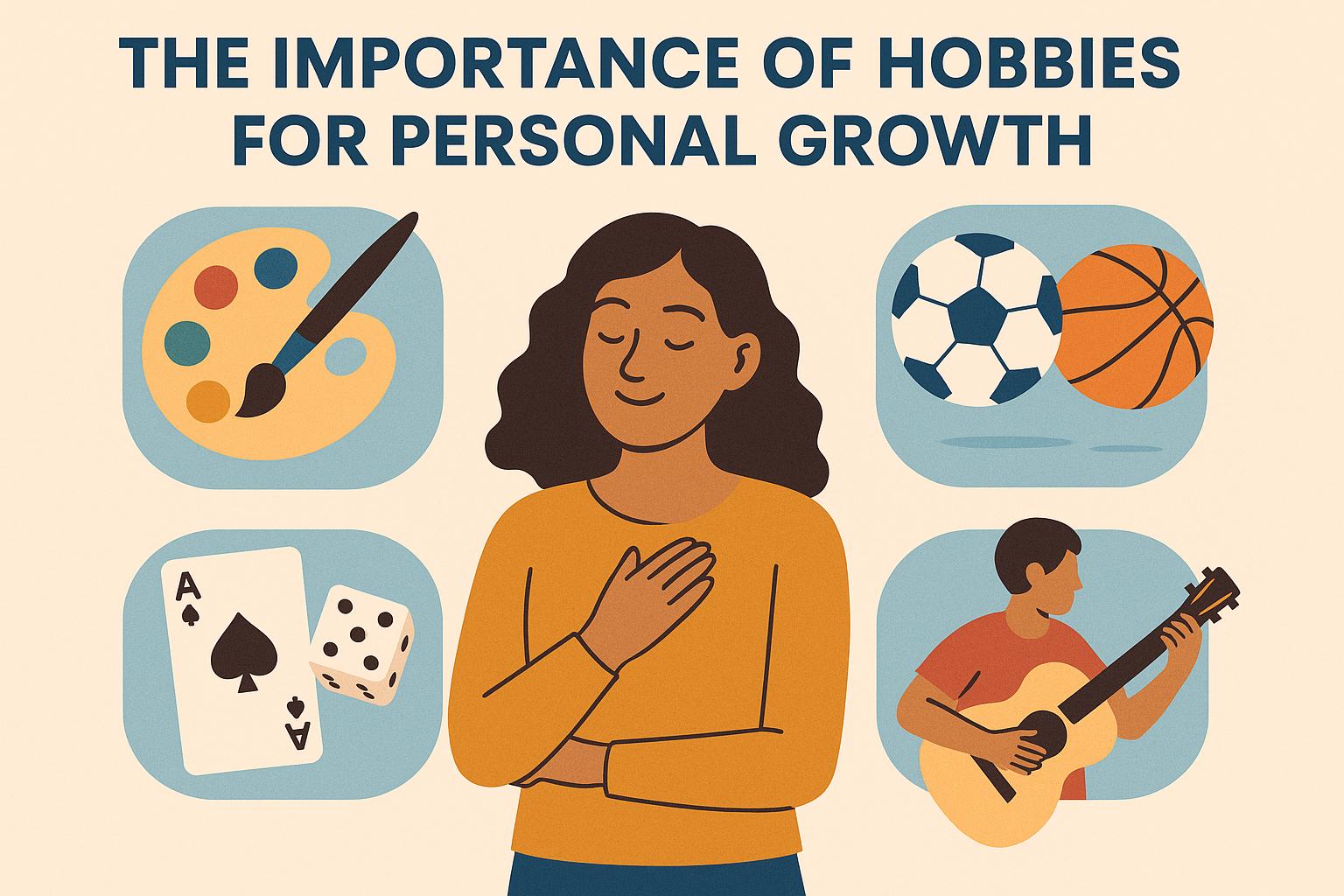
The Role of Hobbies in Enhancing Personal Development
Engaging in hobbies is often perceived merely as a form of recreation or a pleasant distraction from daily routines. However, hobbies can play a significant role in personal growth, offering various benefits that contribute to one’s overall well-being and development. This article elaborates on how hobbies extend beyond simple pastimes and serve as catalysts for developing various facets of an individual’s personality.
Building New Skills
One of the primary advantages of pursuing a hobby is the opportunity to learn new skills. Whether it is learning to play a musical instrument like a guitar or piano, mastering a new language such as French or Mandarin, or engaging in fine arts like painting or sculpture, hobbies provide a practical platform for acquiring knowledge and honing abilities. For instance, learning to play a musical instrument can improve hand-eye coordination, while practicing a new language can enhance cognitive abilities and memory retention.
This skill acquisition is not only applicable within the context of the hobby itself but can also be transferable to other areas of life. For example, discipline gained from regular music practice can translate into better time management skills, while the patience and persistence learned through gardening can enhance problem-solving abilities at work. In essence, the competencies developed while engaging in hobbies are integral to overall competence and adaptability, enriching an individual’s life both personally and professionally.
Encouraging Creativity
Many hobbies encourage creativity, pushing individuals to think outside the box and explore new ideas. Activities such as painting, writing, and photography require innovative approaches, allowing individuals to express themselves and their unique perspectives through their work. This creative engagement fosters the ability to innovate and problem-solve, key skills that are highly sought after in both personal endeavors and professional environments.
Creative growth from hobbies can translate into better critical thinking skills, vital for making informed decisions and tackling challenges. Moreover, creativity can inspire new ways of conducting tasks or solving problems, often leading to breakthrough ideas and solutions in various contexts. Whether it’s designing an art piece or strategizing in a chess game, the creative skills honed through hobbies are invaluable across numerous fields.
Stress Reduction and Mental Health Benefits
Participating in leisure activities can substantially alleviate stress and improve mental health. Hobbies provide an outlet for self-expression and relaxation, helping individuals divert their attention from routine stressors and engage in activities that bring joy and contentment. By focusing on pleasurable tasks, individuals can experience reduced anxiety levels and improved mood.
Several studies, including those by the National Institutes of Health, highlight that engaging in enjoyable activities leads to decreased stress and better psychological functioning. Activities like yoga, meditation, or even knitting can be particularly effective in promoting mental calmness, reducing stress hormones, and fostering a sense of tranquility. With consistent engagement in hobbies, individuals often find themselves better equipped to handle stress and maintain a balanced mental state.
Social Connections and Community Building
Hobbies can also serve as a medium for social interaction and community building. Many hobbies involve group activities, such as team sports, book clubs, or dance classes, where individuals can connect with others who share similar interests. Engaging in these social settings fosters a sense of belonging and camaraderie, enriching one’s social life.
These interactions provide opportunities to develop interpersonal skills such as communication, empathy, and teamwork, which are crucial for personal growth and social development. Moreover, being part of a community with shared interests can lead to lasting friendships and a supportive network, enhancing one’s social well-being and sense of community belonging.
Time Management and Discipline
Incorporating a hobby into one’s daily routine necessitates effective time management and discipline. Balancing work, leisure, and personal commitments demands careful planning and organization. As individuals prioritize their hobbies alongside other responsibilities, they develop essential time management and organizational skills.
Regularly engaging in hobbies helps individuals learn to allocate time efficiently, set realistic goals, and adhere to schedules. These skills are not only beneficial for pursuing hobbies but are also essential in academic, professional, and personal areas of life. Improved productivity and efficiency in managing time can lead to achieving both short-term and long-term goals, contributing to a balanced and fulfilling lifestyle.
Enhancing Self-Confidence
As individuals gain proficiency in their hobbies, they often experience a boost in self-confidence. Mastery of a new skill or progression in a particular hobby can lead to a sense of accomplishment and pride. Milestones achieved within a hobby, whether it’s completing a marathon, exhibiting artwork, or composing a piece of music, often translate to increased self-esteem and a positive self-image.
This confidence acquired through engaging in hobbies extends beyond the boundaries of the activity itself, positively impacting various aspects of life. A person who regularly engages in public speaking as a hobby may find themselves more confident in professional presentations, while a craftsperson who consistently produces high-quality work could see improvements in their problem-solving abilities in a workplace setting.
Conclusion
Overall, hobbies offer a diverse range of benefits that contribute to personal growth. From building new skills and encouraging creativity to improving mental health and fostering social connections, engaging in hobbies enriches one’s life in profound ways. By recognizing the broader impact of hobbies beyond mere entertainment, individuals can leverage these activities to enhance their personal development and improve their overall quality of life.
Ultimately, the pursuit of hobbies creates a well-rounded individual who not only possesses a broader set of skills but also enjoys better mental health, richer social interactions, and enhanced self-esteem. As such, making time for hobbies should be viewed not as a luxury but as an ongoing investment in one’s personal growth and satisfaction.