
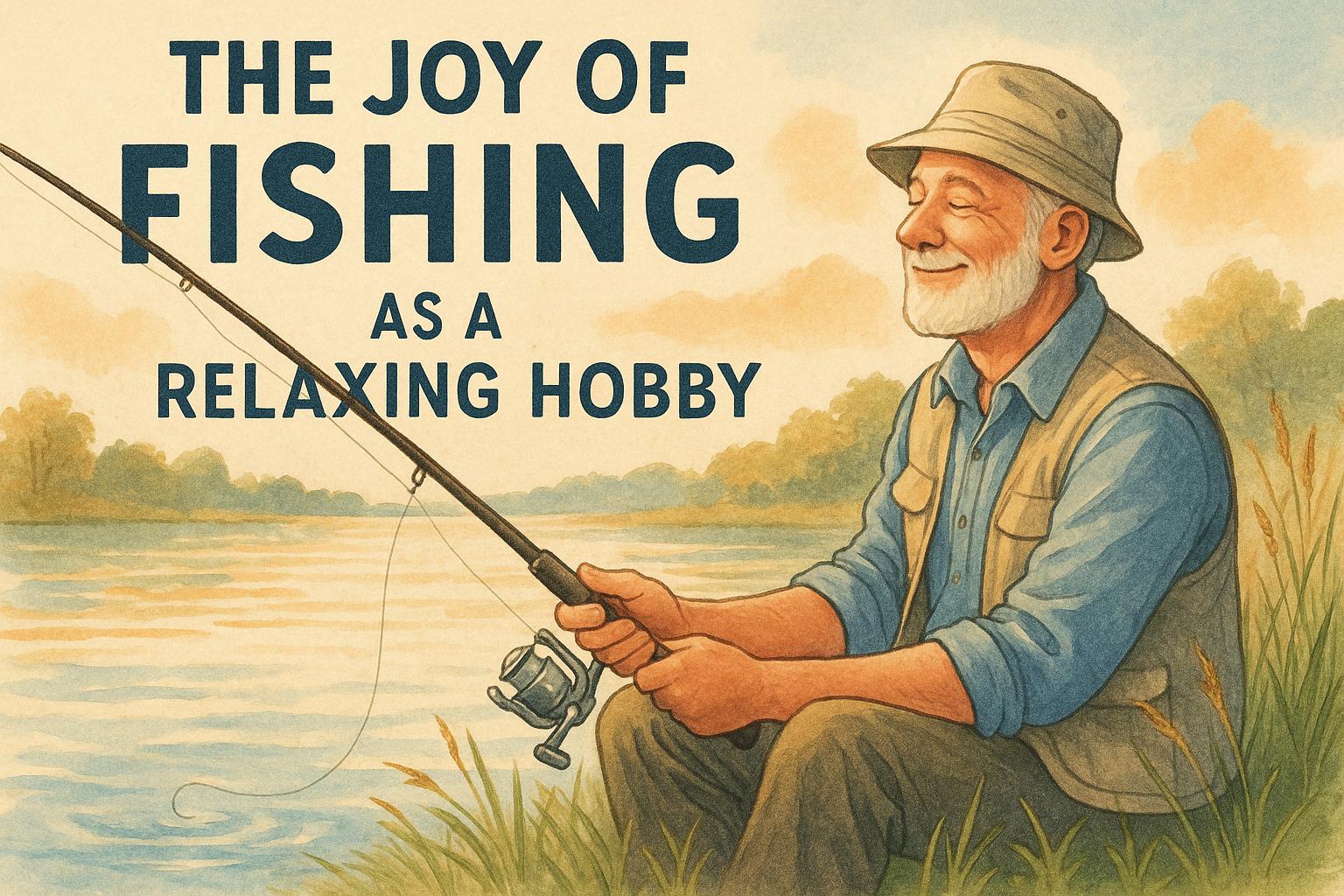
An Introduction to Fishing as a Hobby
Fishing has long been regarded as a pastime that offers both relaxation and a connection to nature. It involves the skill of catching fish using various techniques, and it is enjoyed by millions around the globe. This ancient practice, which dates back thousands of years, remains a popular recreational activity today. Fishing aficionados often cite the sense of peace and accomplishment it brings, serving as a reminder of humanity’s deep-rooted ties to the natural world.
The Basics of Fishing
Understanding the foundations of fishing is essential for those new to this pursuit. There are two main categories of fishing: recreational and commercial. Within recreational fishing, there exist several distinct styles that enthusiasts can explore, including fly fishing, bait fishing, and spin fishing. Each style demands unique techniques and equipment, contributing to the diverse nature of the hobby.
Fly fishing is an art that involves using a lightweight lure, known as a fly. The fly is cast using a particularly flexible rod. In contrast, bait fishing traditionally leverages natural bait, such as worms or insects, to entice fish. Spin fishing, another popular method, employs a spinning reel and a weighted lure, providing a more straightforward approach for beginners.
Essential Equipment
When embarking on a fishing journey, acquiring the right equipment is crucial. The primary tools of the trade include a fishing rod, reel, line, and tackle. Modern advancements have enhanced the design and functionality of fishing gear, making it more accessible for beginners. Lightweight materials and ergonomic designs have improved user comfort and efficiency. Those interested in delving deeper into the specifics of fishing equipment can access detailed guides on specialized fishing equipment websites.
Additionally, having the right clothing and accessories, like waterproof boots and a hat, are invaluable for making the experience enjoyable, especially when faced with challenging weather conditions.
The Benefits of Fishing
Fishing is not solely about the pursuit of a catch; it encompasses numerous advantages that contribute to its enduring allure as a hobby.
Stress Reduction
The therapeutic aspects of being outdoors and surrounded by water can substantially diminish stress levels. The rhythmic nature of casting and reeling becomes a meditative process that facilitates mental relaxation. This peaceful environment allows individuals to temporarily escape from daily stressors and recharge. Engaging in fishing, a practice closely tied to mindfulness, can improve mental health and contribute to overall well-being.
Physical Exercise
Fishing may not entail the strenuous exertion of high-intensity sports, yet it provides moderate physical activity. The actions involved in fishing, such as walking to fishing sites, casting, retrieving the line, and occasionally rowing a boat, offer an ideal form of gentle exercise. This level of activity suits individuals across various age groups and fitness levels, promoting a healthy lifestyle.
Additionally, the outdoor component of fishing contributes positively to physical health by promoting Vitamin D absorption, which is essential for bone health and immune function.
Social Interaction
While fishing can be a solitary pursuit, it often transforms into a social experience. Enthusiasts frequently fish in groups, facilitating communal interactions, cooperation, and shared learning experiences. Many anglers become part of fishing clubs or participate in fishing-related events that foster camaraderie and build a sense of community. These gatherings act as platforms for exchanging tips, acquiring new skills, and building friendships based on a shared passion.
Sustainable Practices
Given the growing awareness of environmental issues, practicing sustainable fishing is more significant than ever. Recreational anglers increasingly adopt catch and release methods to help maintain fish populations. Organizations committed to promoting responsible fishing advocate for methods that ensure the hobby’s sustainability. Fishing enthusiasts are encouraged to be mindful of their environmental impact, leaving natural habitats undisturbed while enjoying their pastime.
Sustainable fishing practices may also include advocating for clean water initiatives and educating others about environmental conservation. These efforts contribute to preserving aquatic ecosystems for future anglers and wildlife.
Conclusion
As a pursuit that combines relaxation, skill-building, and enjoyment of the outdoors, fishing offers a unique experience. Its adaptability to preferences and skill levels makes it accessible to a wide audience. Whether seeking a quiet escape, hoping to enhance skill and technique, or simply wishing to be closer to nature, fishing provides an opportunity to disconnect from a speedy world and engage with the serene beauty of the natural environment. It stands as a valuable and enduring hobby that nurtures a profound connection to the planet and its lifeforms.