
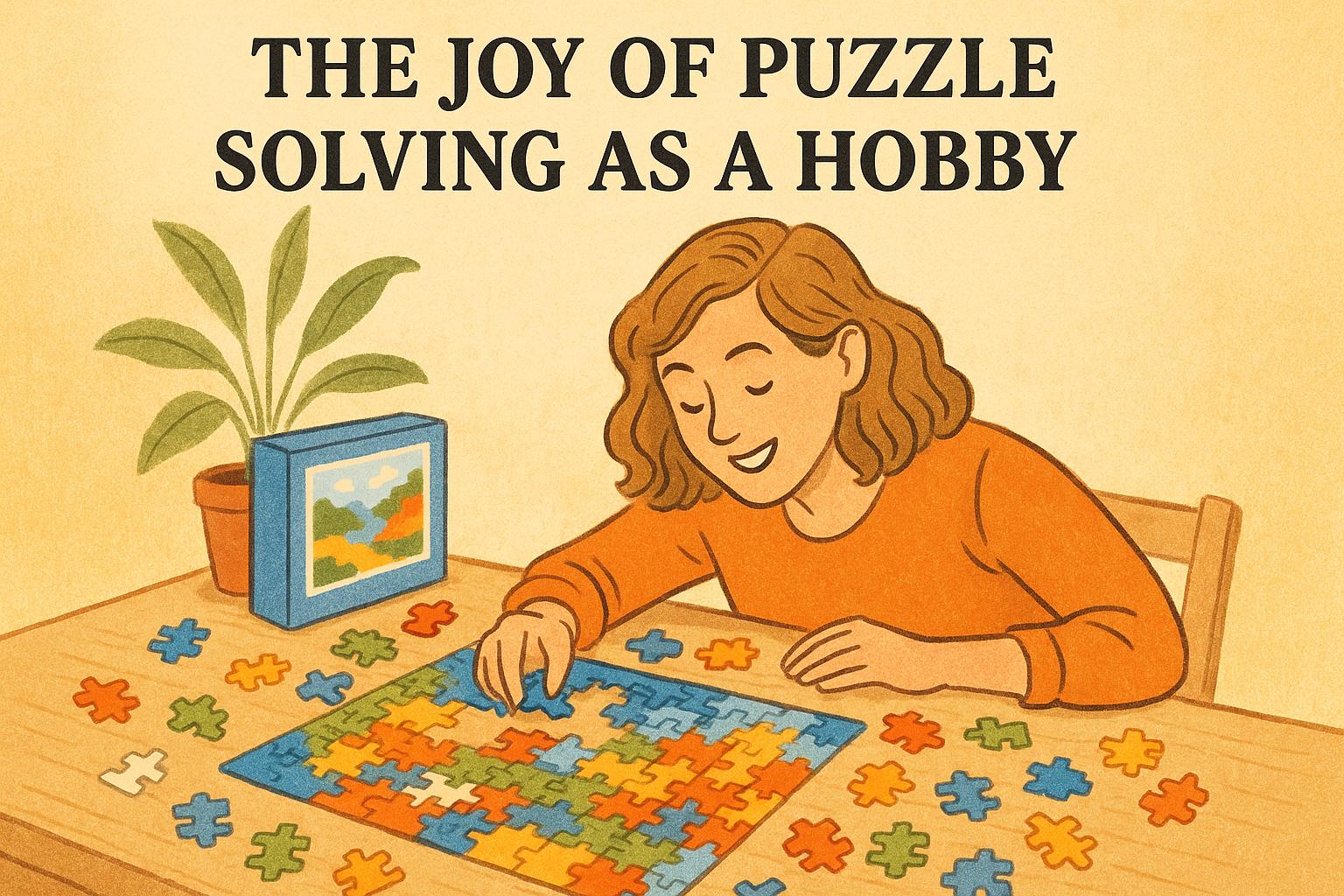
Introduction to Puzzle Solving
Puzzle solving is a widely appreciated hobby that spans across various cultures and age groups. Engaging in puzzles can range from the simple jigsaw to more complex ones like crosswords, Sudoku, and logic puzzles. This activity not only serves as an entertaining pastime but also stimulates and benefits the mental faculties. Puzzles are intriguing artifacts of human creativity, representing challenges that often require lateral thinking and problem-solving skills. From the ancient times when riddles were first sculpted in stone, to the modern digital puzzles on our screens, the essence of puzzle-solving remains unchanged—engaging the mind and providing satisfaction upon resolving the challenge.
The Cognitive Benefits
Solving puzzles is an excellent way to enhance cognitive skills. It involves a combination of tasks that require concentration, attention to detail, and critical thinking. When solving puzzles, individuals engage in mental exercises that mimic the activities our brain undertakes when trying to comprehend and solve real-world problems. These exercises can help in improving short-term memory and increasing problem-solving skills. A study has shown that engaging in puzzling activities regularly can delay the onset of dementia by keeping the mind active and improving connections between brain cells. This is akin to ‘exercise for the brain,’ helping to strengthen and maintain cognitive pathways that are crucial for memory and reasoning.
Developing Patience and Perseverance
Puzzle solving requires a great deal of patience and determination. The process of finding solutions can be painstakingly slow, especially with complex puzzles. This hobby teaches perseverance as enthusiasts learn to work through challenges patiently and systematically. In a fast-paced world where instant gratification is often the norm, puzzles provide a unique medium where patience is essential. This patience-evolved skill can be transferred to various life aspects, teaching individuals the value of sustained effort and the reward that lies at the end of persistent endeavor. As you progress through different puzzle types, you encounter varying levels of difficulty, which further sharpen your ability to remain calm and composed despite challenges.
Stress Relief and Relaxation
Another significant aspect of puzzle solving is its ability to relieve stress. Immersing oneself in a puzzle can provide a form of meditation, allowing individuals to escape their worries temporarily. The focus required in solving puzzles shifts attention away from stressors, promoting relaxation and mental clarity. This can be an effective way to manage stress, as the concentration involved can slow breathing, lower blood pressure, and reduce stress hormone production, providing a comprehensive sense of relief. When deeply engaged in a puzzle, individuals often experience a state of ‘flow,’ a mental state where one is fully immersed and absorbed in the task at hand, which can contribute to an overall sense of well-being.
Social Interaction and Collaboration
Puzzles offer opportunities for social interaction and collaboration, particularly in group settings. Collaborative puzzles, like escape room challenges or group jigsaw puzzles, encourage teamwork and communication. These activities can strengthen bonds and improve interpersonal skills. The shared objective fosters dialogue, negotiation, and cooperative problem-solving, nurturing social connections and fostering a shared sense of achievement upon solving the puzzles. This is particularly beneficial in educational settings or family gatherings, where puzzles can serve as a platform for building relationships and enhancing group dynamics. The joy of solving a complex problem collaboratively can create memorable experiences, enhancing group cohesion and connectivity.
Enhancing Creativity
Puzzle solving is not solely about logic and reasoning. It also involves creative thinking, especially when approaching a puzzle from different angles to find a solution. Engaging in this hobby regularly can enhance one’s creativity, opening up new ways to view problems and challenges in everyday life. It encourages adaptability in thinking processes, promoting a flexible mindset that is adept at finding non-conventional solutions. This is critical in many domains, from professional settings, where creative problem-solving is valued, to personal challenges that require innovative approaches. By regularly engaging in puzzle solving, individuals can develop a mental agility that translates into diverse aspects of life, fostering a robust and creative thought process.
A Lifelong Hobby
One of the notable aspects of puzzle solving is that it can be enjoyed throughout one’s life. Whether done individually or in a group, the world of puzzles offers something for everyone. It is a hobby that transcends age, providing lifelong learning and enjoyment. Puzzles evolve with us as we age, offering different forms of challenges that match our intellectual and emotional growth. They cater to a broad spectrum of interests and difficulty levels, ensuring they remain engaging irrespective of one’s experience or age. Furthermore, puzzles can serve as a lifelong companion, offering comfort, challenge, and engagement as we journey through different life stages.
Conclusion
Puzzle solving is more than just an entertaining activity. It offers a multitude of benefits, from cognitive advancements to stress relief, making it an enriching hobby for individuals of all ages. Engaging in puzzles can foster mental well-being, creativity, and social skills, contributing positively to one’s overall quality of life. Additionally, puzzles serve as a bridge between therapy and leisure, offering therapeutic benefits through structured problem-solving while ensuring enjoyment and entertainment. In today’s fast-paced world, where distractions are abundant, puzzles provide a mindful escape that is both rewarding and enriching.
For more information on the cognitive benefits of puzzles, visit Harvard Health. Through continued engagement in puzzle solving, individuals can reap the rewards of enhanced cognitive capabilities and improved quality of life. As a pastime, puzzle solving remains unmatched in its capacity to entertain, educate, and nurture holistic well-being.