
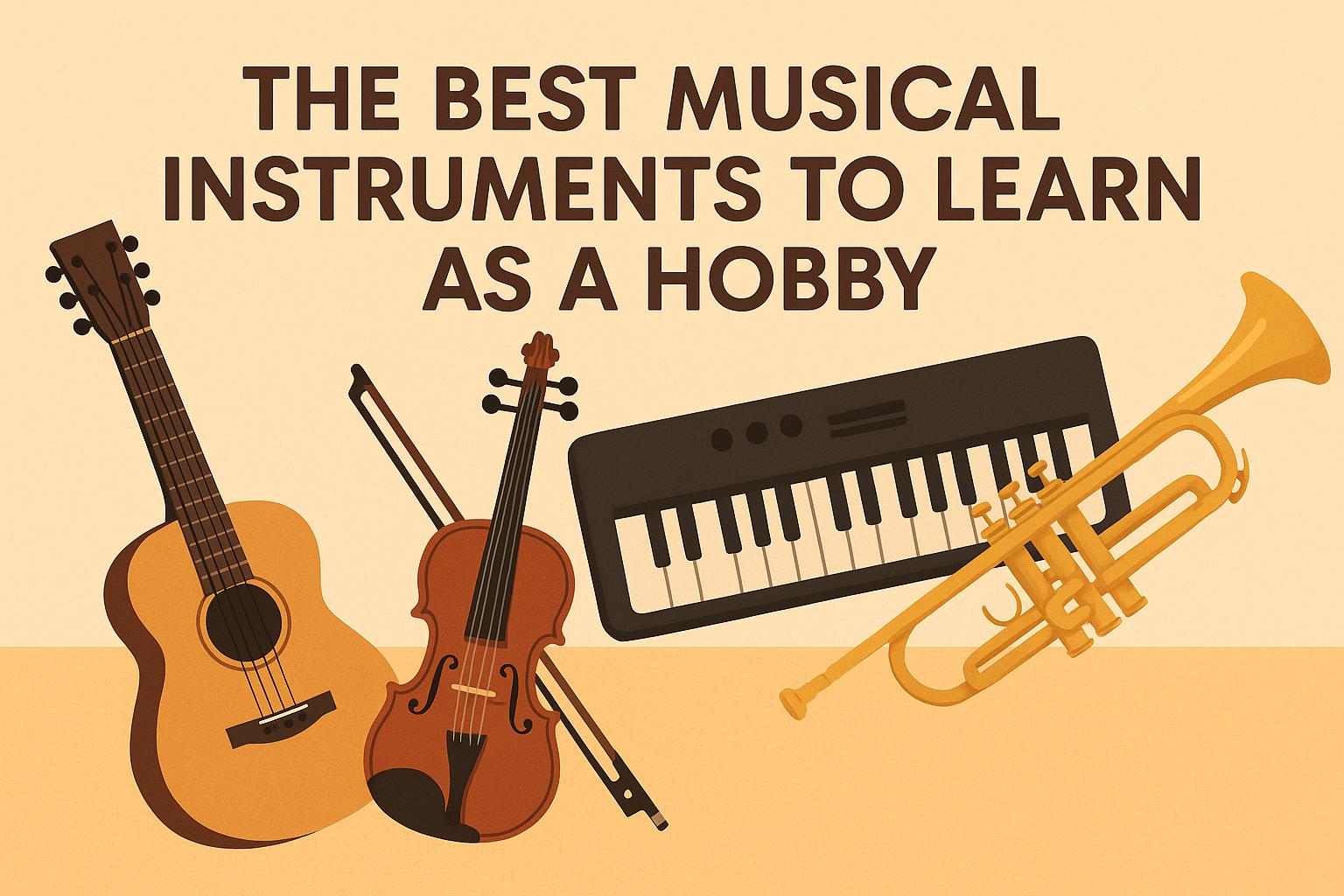
The Joy of Learning Musical Instruments
Engaging in musical pursuits offers an enriching avenue for personal growth and relaxation. The journey of learning an instrument is not merely about the acquisition of a new skill but also encompasses a deeper connection with music, self-exploration, and mental liberation. Choosing the right instrument as a hobby can be influenced by several factors, including ease of learning, accessibility, and personal interests. Delving into this musical path can yield lifelong advantages, from cognitive improvements to social benefits.
Popularity and Accessibility
One of the primary considerations for selecting a musical instrument is its accessibility, in terms of both affordability and the availability of learning resources. Instruments like the guitar and piano are popular choices for beginners, largely due to these factors. The guitar is widely favored because it is versatile and portable, allowing aspiring musicians to explore a broad range of genres, from classical to jazz, and contemporary rock. Numerous resources, including online tutorials and self-help books, make learning the guitar accessible even for those without any prior musical experience. For more detailed learning, aspiring guitarists can easily find a wealth of information through reputable music education platforms or by visiting local music schools, creating a community of learners and enthusiasts.
The Appeal of the Guitar
The guitar’s strings echo a variety of emotions, making it a suitable instrument for those who wish to express themselves musically. Learning the guitar is advantageous due to the abundance of resources available for beginners. Whether one opts for the earthy tones of the acoustic guitar, known for its portability and resonance, or the dynamic capabilities of the electric guitar, characterized by its range of sound effects and amplifying options, the experience can be deeply rewarding. For those interested in structured learning, dedicated guitar courses offer a pathway to mastering techniques and styles that suit individual tastes. A commitment to practice can transform even the most novice player into a skilled guitarist, capable of producing harmonious melodies and rhythms.
Exploring the Piano
The charm of the piano lies in its ability to bridge the gap between theoretical musical knowledge and practical application. Learning the piano not only enhances understanding of music theory but also facilitates a smoother transition to other instruments. The layout of the keyboard, with its clear demonstration of scales and chords, simplifies the learning process, making it an excellent foundational instrument. While digital keyboards provide a convenient and affordable entry point, especially for those constrained by space or budget, an acoustic piano is coveted for its authentic sound and rich musical experience. Aspiring pianists benefit from a plethora of online courses, apps, and tutorials, which offer step-by-step guidance to mastering this elegant instrument.
Exploring Additional Options
Beyond the guitar and piano, many other instruments invite exploration for those wishing to embark on a musical journey. The violin serves as an exemplary choice for enthusiasts of classical music. Although it presents a steeper learning curve than some other instruments, the dedication required to master the violin is often rewarded with opportunities to perform within orchestras and ensembles, offering rich and culturally immersive environments to nurture musical talents. Alternatively, the ukulele, with its compact size and easy-to-learn nature, appeals to those drawn to string instruments. Known for its bright and cheerful sound, it serves as a delightful companion for informal jam sessions and solo performances.
Considerations for Choosing an Instrument
When selecting a musical instrument, a number of factors need to be evaluated. Potential musicians should consider their musical preferences, the context in which they intend to play, and practical considerations such as living arrangements and lifestyle. Drums, for example, offer an exhilarating and dynamic learning experience, but they may require significant space for setup and considerate sound management, especially in shared living environments. Similarly, wind instruments like the saxophone or flute characterize distinct sound qualities fitting for band and orchestral settings. Both require a commitment to breath control and embouchure technique, which can enhance one’s musical experience through symphonic collaborations.
Conclusion
Ultimately, the best musical instrument to learn hinges on individual aspirations and lifestyle considerations. Establishing clear objectives, such as whether one aspires to play casually at home, engage in community music ensembles, or perform publicly, can significantly guide decision-making. Embracing this learning journey involves a blend of consistent practice, a willingness to explore, and a genuine interest in the melodies of music. To uncover the right instrument, consider browsing local music stores for hands-on trials and professional advice or enrolling in community music classes to fortify learning in a supportive environment.
In any pursuit of musical education, the most significant elements remain curiosity, perseverance, and the joy of playing. Regardless of the chosen instrument, the benefits of nurturing a musical hobby resonate beyond individual growth, fostering connections and the potential to inspire both the player and audience alike. As individuals embark on their musical ventures, they unfold opportunities for cultural exploration, personal creativity, and lifelong fulfillment through the transformative power of music.