
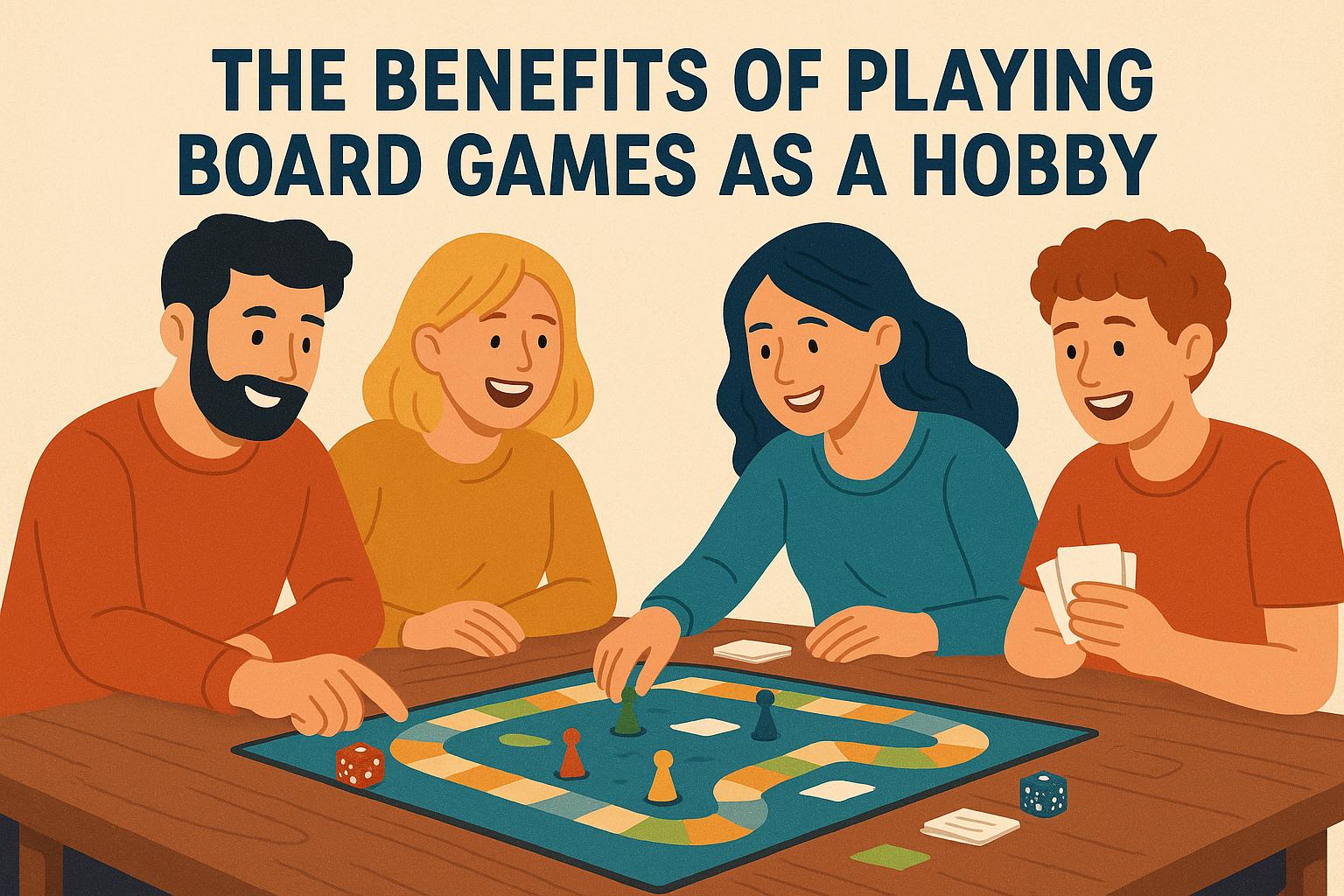
The Cognitive Benefits of Board Games
Board games have long been a source of entertainment for people of all ages. However, beyond the fun and enjoyment they provide, board games offer significant cognitive benefits. Individuals who regularly engage in playing board games can experience enhancements in various cognitive abilities. These enhancements are primarily due to the inherent nature of most board games, which require strategic thinking, problem-solving, and planning. For instance, widely popular games such as Chess and Settlers of Catan require players to develop strategic moves and foresee potential outcomes, which are critical cognitive skills.
Regular engagement in these types of mental exercises can significantly improve memory and overall brain function over time. The mental processes involved in strategizing and planning are akin to exercising different parts of the brain, thereby strengthening the mind and improving its capacity to handle complex tasks.
Promoting Social Interaction
Another substantial benefit of playing board games is their ability to promote social interaction. In an age where digital communication often takes precedence, board games serve as a valuable platform for face-to-face interaction, which is essential for emotional well-being. When people gather around a board game, they partake in communication, cooperation, and often, a healthy dose of competition.
This type of interaction is particularly beneficial for strengthening relationships among friends and family members. Whether it is the friendly banter or strategic discussions during a game, these interactions bring people closer together, fostering bonds that are crucial for emotional and psychological health. For more on enhancing family dynamics through leisure activities, you can explore resources on parentingresources.com.
Developing Critical Thinking and Strategy
Most board games inherently challenge players to think critically and develop strategies, offering ample opportunities to enhance these skills. Games such as Risk and Stratego require constant tactical decision-making, wherein players consider their own strategies while simultaneously anticipating their opponents’ next moves.
Engaging in such games on a regular basis helps sharpen one’s strategic thinking abilities. This skill is not only crucial for gameplay but can also prove beneficial in numerous real-world situations, such as career-related challenges or decision-making scenarios in everyday life. Players who excel in these games often apply the critical analysis and problem-solving skills they’ve honed to various aspects of personal and professional endeavours.
Educational Value
Many board games carry an educational component that makes learning an enjoyable process. Educational board games can transform typical learning activities into exciting challenges, thus holding the potential to enhance knowledge and understanding across various subjects. For example, language-focused games such as Scrabble and Boggle play an essential role in enhancing vocabulary and language skills. These games require players to create words from a set of letters or dice, encouraging them to delve into their vocabulary reserves.
Similarly, games like Monopoly are instrumental in teaching basic math and financial concepts. Players manage money, purchase properties, and pay rent, all of which are core financial transactions one might encounter in real life. By playing these types of games, individuals can improve their knowledge in subjects that are often perceived as challenging, yet crucial. Learning in a relaxed and enjoyable setting makes the educational experience less daunting and more impactful.
Stress Relief and Relaxation
Beyond cognitive and social benefits, playing board games can also serve as an effective stress-relieving activity. When individuals are engrossed in the complexities of the game, it serves as a temporary escape from life’s pressures, thereby promoting relaxation. The immersive nature of board games requires a level of focus that can distract from stressors and provide a mental break.
Additionally, the social aspect of board games contributes significantly to stress relief. Enjoyable and meaningful interactions during gameplay can elevate mood and offer players a chance to unwind. Whether through laughter shared with friends or the satisfaction of executing a strategic move, these moments contribute to stress reduction, promoting overall mental well-being. For insights into the role of leisure in reducing stress, consider visiting mindfulleisure.org.
In conclusion, incorporating board games into one’s routine as a hobby provides a wide array of benefits that span across cognitive development, social interaction, and stress relief. Board games are not just tools for entertainment but are instrumental in fostering mental and emotional health. Engaging in these activities offers a unique blend of fun and educational value, making them a worthwhile addition to anyone’s leisure time.