
Initiating a Writing Hobby
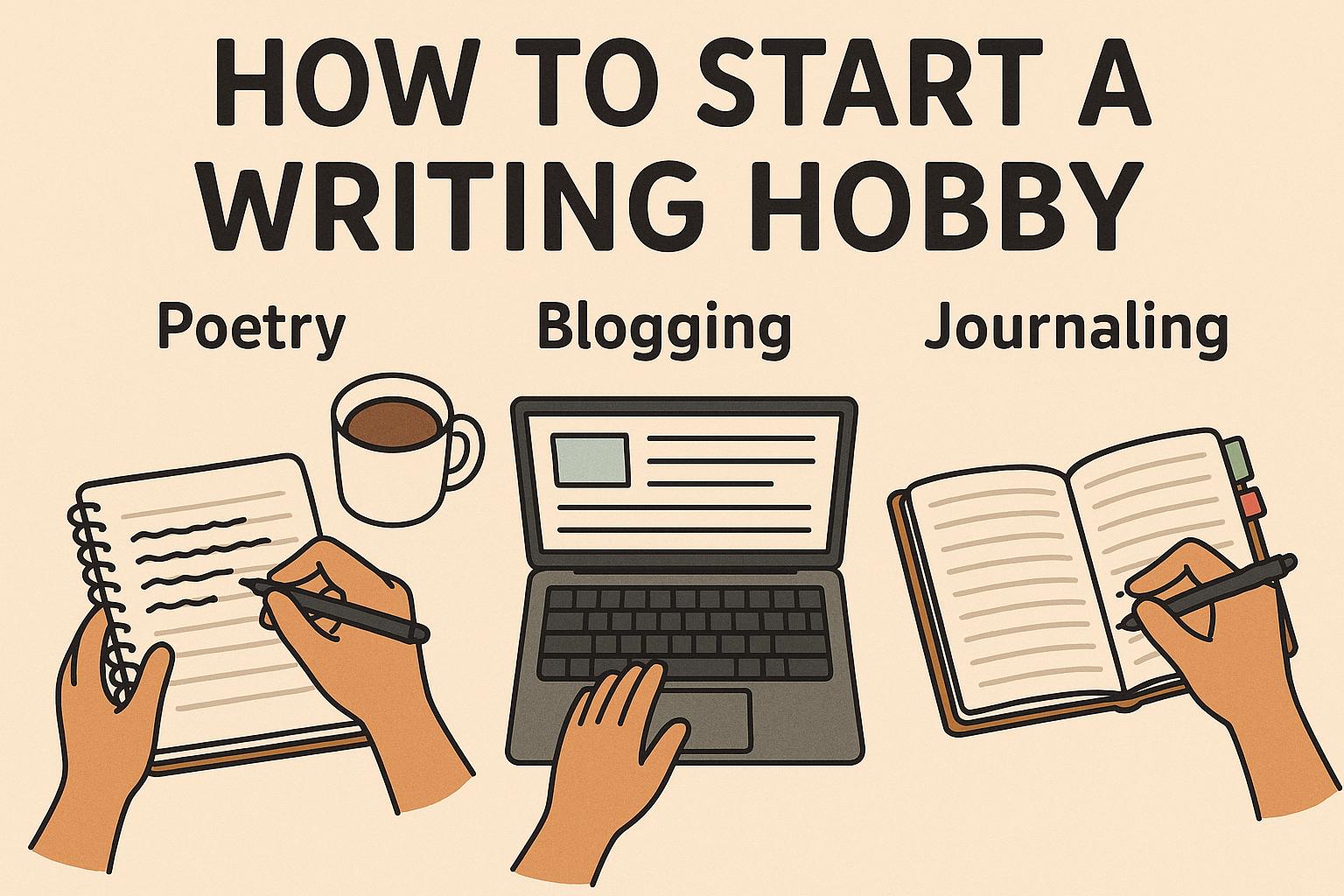
Developing a writing hobby can be a fulfilling and enriching experience. Individuals can explore various forms like poetry, blogging, and journaling, each offering unique benefits and ways to express oneself. Writing is not just about stringing words together but about conveying thoughts in a manner that resonates with others. Through different styles and techniques, a writer can develop a unique voice and reach audiences both large and small.
Understanding the Various Forms of Writing
Writing as a hobby can take different forms, and understanding these can help you decide which path aligns with your interests. Each form comes with its own set of challenges and rewards, and experimenting with these different types can eventually lead to finding one or two that particularly resonate with you.
Poetry
Poetry is a concise and artistic form of writing that allows individuals to express thoughts, emotions, and narratives creatively. It often involves the use of rhythmic language, metaphors, and other literary devices. The brevity of poetry requires the writer to choose words carefully, conveying depth in a limited space. For many, poetry serves as a therapeutic expression, helping to articulate emotions that might be difficult to speak of otherwise. Aspiring poets can start by experimenting with various poetic forms such as haiku, free verse, or sonnets—each offering a different framework for expression.
Blogging
Blogging is a versatile platform that allows you to write about any topic of your interest. It can range from personal blogs documenting life experiences to niche blogs focusing on particular subjects, such as technology, travel, or lifestyle. Blogs can serve as public diaries or professional platforms, depending on their purpose and audience. Choosing a blogging platform and deciding on a regular posting schedule are key steps in maintaining a blog. Engaging with readers through comments and social media can further enhance the blogging experience, offering insights and feedback that can shape future content.
Journaling
Journaling is a personal record of thoughts, experiences, and reflections. It is an excellent tool for self-reflection and helps track personal growth over time. Journaling can be structured or free-form, depending on what suits the individual. Some people prefer maintaining a gratitude journal, focusing on positive experiences, while others might keep a dream journal or an everyday diary. Journaling can also be therapeutic, offering a private space to explore complex emotions and thoughts. Through this process, individuals often gain clarity and a sense of peace.
Starting Your Writing Journey
Taking the first step to begin writing can be intimidating, but it is important to remember that writing is a skill honed over time. With dedication and the right mindset, anyone can cultivate this hobby into a satisfying endeavor.
Setting a Writing Schedule
Commit to a regular writing schedule. Consistency helps in building the habit. Whether it’s daily or weekly, setting aside dedicated time for writing ensures that you give your hobby the attention it needs. Deciding on a specific time of day can help reinforce the habit; for some, mornings might be ideal, while others may prefer evenings.
Finding Inspiration
Inspiration can be elusive, but cultivating an open mind can help you find it in everyday life. Nature, conversations, books, or even music can spark ideas. Additionally, engaging with other creative projects or artists can stimulate your imagination and lead to new insights. Keeping a notebook handy to jot down ideas is beneficial, as inspiration can strike at unexpected moments. Revisiting these notes often can help spark new projects or stories.
Utilizing Resources
Access to various resources can significantly enhance one’s writing journey. There are numerous resources available, such as writing workshops, online courses, and community groups, that can provide guidance and feedback. For online courses, platforms like Coursera and Udemy offer various courses on writing skills. Connecting with a local writers’ group or participating in online forums can provide support and encouragement.
Overcoming Common Challenges
When starting a writing hobby, encountering obstacles is common. Understanding these challenges and knowing how to tackle them can help in maintaining your enthusiasm.
Writer’s Block
Writer’s block is a common challenge. Taking breaks, changing your environment, or switching to a different writing form temporarily can stimulate creativity. Allowing oneself to write poorly at times is also helpful, as it removes the pressure of perfection. Engaging in activities unrelated to writing, like walking or drawing, can provide a fresh perspective.
Criticism and Self-Doubt
Receiving criticism can be challenging, but constructive feedback is valuable for growth. It is important to view criticism positively and not let self-doubt deter your progress. Every writer faces rejection, but persistence and resilience are crucial. Learning to discern which feedback to incorporate and which to set aside is an essential skill.
Evaluating Your Progress
Regularly evaluate your writing to understand your strengths and areas for improvement. Setting incremental goals can help measure your progress and keep you motivated. Reflect on your work periodically to appreciate how far you’ve come. By assessing previous works, you can better understand your growth and areas that might need more focus or practice.
In conclusion, starting a writing hobby involves understanding the different forms of writing, setting a routine, seeking inspiration, utilizing available resources, and navigating common challenges. With dedication and practice, writing can become a rewarding and lifelong endeavor. Engaging with different forms and styles, keeping an open mind to feedback, and allowing oneself to evolve through the process are crucial components in the journey of writing. Though it may begin as a hobby, writing can transcend into a passion, offering insights, opportunities, and even a sense of purpose.