Introduction to Knitting and Crocheting
Knitting and crocheting are two beloved fiber crafts that captivate individuals with their creative potential and versatility. These practices involve crafting textiles using yarn and specific tools designed for each technique. Despite often being lumped together, knitting and crocheting each have unique characteristics that set them apart. For both novices and experienced crafters, these crafts present the opportunity to produce a remarkable variety of items, including garments, accessories, and even home décor pieces. To embark on this creative journey, it is essential to grasp the primary differences between knitting and crocheting, gather necessary tools, and learn the fundamental techniques that form the foundation of each craft.
Understanding the Differences
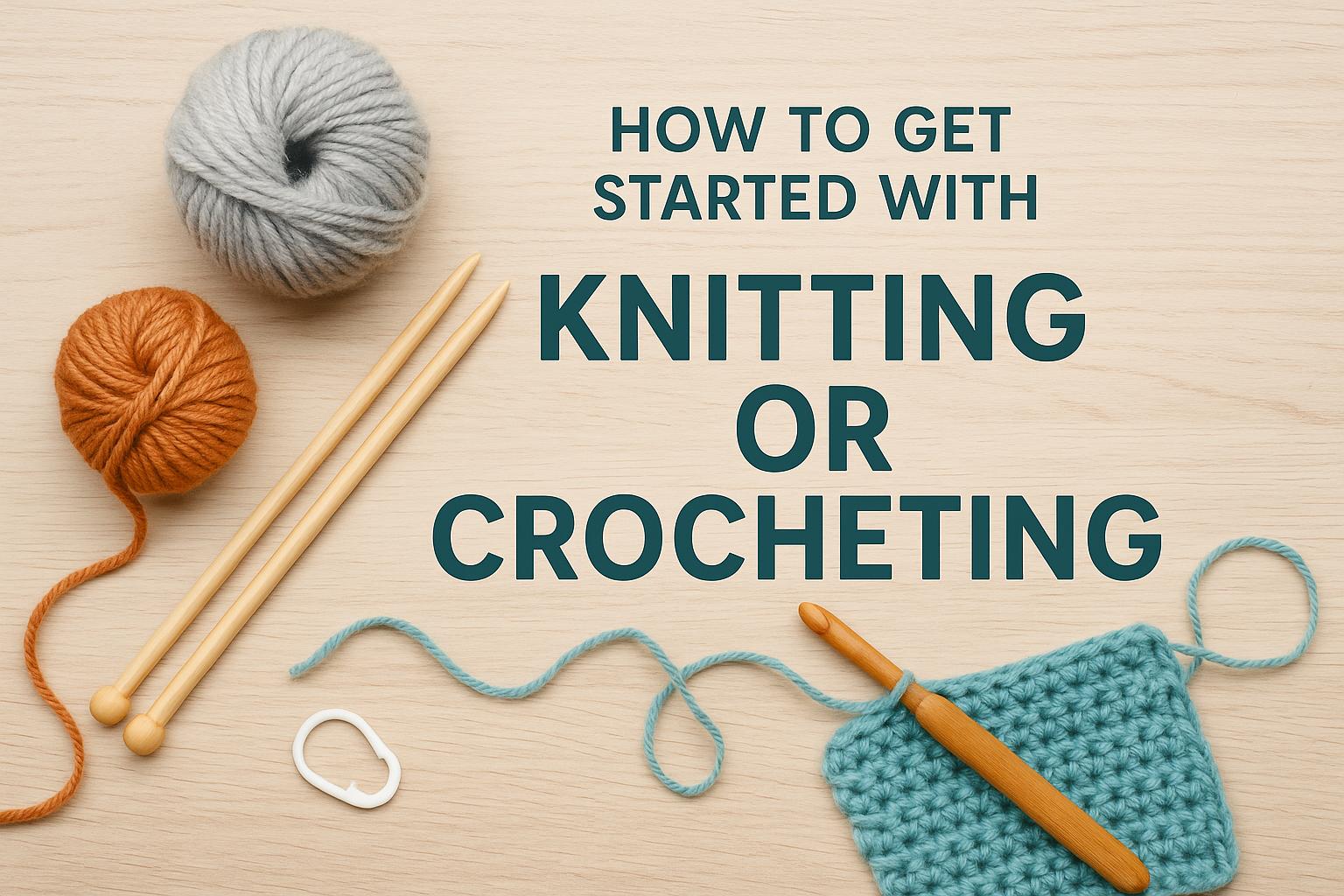
While knitting and crocheting are frequently grouped together due to their use of yarn, their methodologies and tools are distinct. Knitting involves the use of two needles to create rows or rounds of fabric by keeping multiple loops of yarn open at a time. The technique results in a fabric characterized by “v” shapes and various textures; it requires systematic movement from one needle to the other. On the other hand, crocheting employs a singular hook to draw loops of yarn directly into the fabric itself, resulting in a distinct texture and structure that differs from knitting.
The surface differences between the two crafts are foundational; they dictate the textures that can be achieved and influence how projects are approached. Knitting typically produces a fabric that has more elasticity, making it a popular choice for garments such as sweaters and socks. Crocheting tends to produce a sturdier and often more structural fabric, commonly used in crafting items such as bags and home décor pieces. For further exploration of these distinctions, consult resources that delve deeper into the comparative aspects of knitting and crocheting techniques.
Gathering Essential Tools and Materials
To begin your knitting or crocheting journey, assembling the right tools and materials is a crucial step. Here is a brief overview of what you will need to get started in either craft:
- Yarn: Selecting the correct yarn is of utmost importance to the success of your project. Pay attention to the yarn’s weight and composition, as they dictate the outcome of the textile. Yarns come in a variety of weights, ranging from fine threads suitable for delicate baby clothes to bulky yarns ideal for warm winter blankets. Review the yarn label for recommendations regarding needle or hook size, which offers guidance on how to achieve the desired gauge.
- Needles or Hooks: The correct pair of knitting needles or crochet hook is fundamental in executing your project. Knitting requires either straight or circular needles based on your preference and the project’s requirements. For a crocheter, selecting a medium-sized hook, such as an H-8 (5 mm), serves as an excellent starting point for beginners who are looking to gain proficiency.
- Scissors: A sharp and durable pair of scissors is an indispensable tool for cutting yarn with precision and avoiding fraying edges.
- Tapestry Needle: Whether you’re knitting or crocheting, a tapestry needle becomes essential for weaving in ends of yarn and seaming pieces together to complete your project.
Learning Basic Techniques
The mastery of fundamental techniques is pivotal for anyone venturing into knitting or crocheting. Familiarizing oneself with these core skills lays the groundwork for more advanced projects and helps in achieving consistent results. Here, we outline the basic skills necessary for each craft:
Knitting Basics
– Cast On: The method of creating the initial stitches on the needle serves as the foundation for your knitting project. Various cast-on techniques offer different degrees of elasticity and edge finishes.
– Knit Stitch: This primary stitch forms the fabric’s characteristic “v” shaped rows, frequently used to create the stockinette pattern.
– Purl Stitch: Purling complements knitting by providing texture contrast and is commonly combined with knit stitches to form ribbing, seed stitch, and other patterns.
– Binding Off: Also known as casting off, this technique concludes a knitting project by securely finishing the row of stitches, ensuring they do not unravel.
Crocheting Basics
– Slip Knot: The slip knot is the initial step in many crochet projects, securing the yarn to the hook and dictating the starting point of your work.
– Chain Stitch: A foundational stitch in crochet, chains serve as the starting row and are integral in establishing the project’s dimensions.
– Single Crochet: This stitch produces a dense, strong fabric excellent for creating a variety of items from amigurumi to sturdy bags.
– Slip Stitch: Essential for joining and shaping crochet pieces, slip stitches are used to create seamless transitions or join motifs together.
To further hone these skills, many online platforms offer tutorials and video demonstrations, which provide visual guides and expert tips to reinforce your understanding.
Choosing a Beginner Project
Selecting an appropriate beginner project is vital to building confidence and ensuring a rewarding crafting experience. Simplicity is key at this stage; opting for projects such as scarves, dishcloths, or simple hats can provide a satisfying sense of accomplishment while allowing ample practice of basic techniques. These projects are not only functional but also act as an effective platform to practice and consolidate newfound skills. Consider following patterns that include detailed instructions and visual aids, which serve as a roadmap and reduce the likelihood of frustration.
Conclusion
Beginning a knitting or crocheting adventure involves understanding the key differences between these two crafts, compiling the essential tools and materials, and learning the basic techniques necessary for successful projects. Each step in this process plays a role in facilitating the crafting journey and paving the way for skill advancement. Through time, practice, and project experimentation, beginners will cultivate proficiency and find themselves capable of tackling increasingly complex creations, fully enjoying the art of fiber crafting.