The Importance of Hobbies in Retirement
Retirement marks a significant transition in life, often bringing about a change in routine and available time. Engaging in hobbies is vital during this phase as they offer numerous benefits. This article delves into the importance of hobbies for retirees, discussing the various dimensions of well-being that can be enhanced through such engagements.
Maintaining Physical Health
As individuals move into retirement, maintaining physical health becomes a key priority. Participating in physical activities is crucial for retirees to sustain their overall well-being. Hobbies that incorporate physical exercise, such as gardening, walking, or yoga, serve not only as enjoyable pastimes but also as essential components of a healthy lifestyle. These activities contribute to improved cardiovascular fitness, flexibility, and muscle strength.
Gardening, for example, involves a range of movements that can enhance physical dexterity and strength. It includes tasks like weeding, planting, and pruning, which can serve as a light form of resistance training. Walking is another accessible activity that can be performed in different environments, whether it’s a daily stroll in a neighborhood park or a more adventurous hike in a natural setting. The rhythmic nature of walking helps in boosting cardiovascular health while being gentle on the joints.
Incorporating yoga into daily routines can improve flexibility and balance, which are critical as age progresses. The balance and stretching exercises in yoga can assist in maintaining stability, reducing the risk of falls and enhancing overall physical confidence. Regular engagement in these activities can significantly lower the risk of chronic diseases such as heart disease, diabetes, and osteoporosis.
Mental Stimulation
Hobbies are not only about physical activity; they also serve as a powerful tool for keeping the mind sharp and active. Activities that challenge the mind, such as solving puzzles, playing chess, or learning a new language, provide mental stimulation that can enhance cognitive function. Engaging the brain in these activities promotes neural growth and can help in maintaining memory and critical thinking skills.
Games like chess or bridge require strategy, planning, and problem-solving, thus offering excellent mental workouts. Meanwhile, puzzles such as crosswords or Sudoku are known to improve concentration and problem-solving skills, contributing to a sharper mind. Learning new skills or languages also opens new neural pathways, enhancing mental agility and reducing the risk of cognitive decline and dementia in older adults.
Social Interaction
One of the understated yet crucial benefits of engaging in hobbies is the promotion of social interaction, which is essential for emotional health. As people retire, the regular social interactions experienced in a workplace setting diminish, which can lead to feelings of isolation. Many hobbies are inherently social in nature, providing retirees with the opportunity to connect with peers, meet new people, and foster a sense of community.
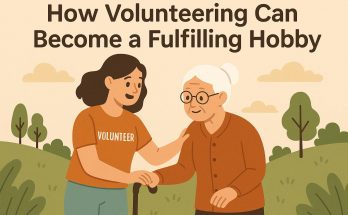
Group activities such as book clubs, community theater, or volunteering create platforms for individuals to share common interests and passions. These activities foster an environment of camaraderie and teamwork, which can lead to lasting friendships and a profound sense of belonging. Such interactions not only combat loneliness but also help in maintaining emotional balance and resilience.
Emotional Well-being
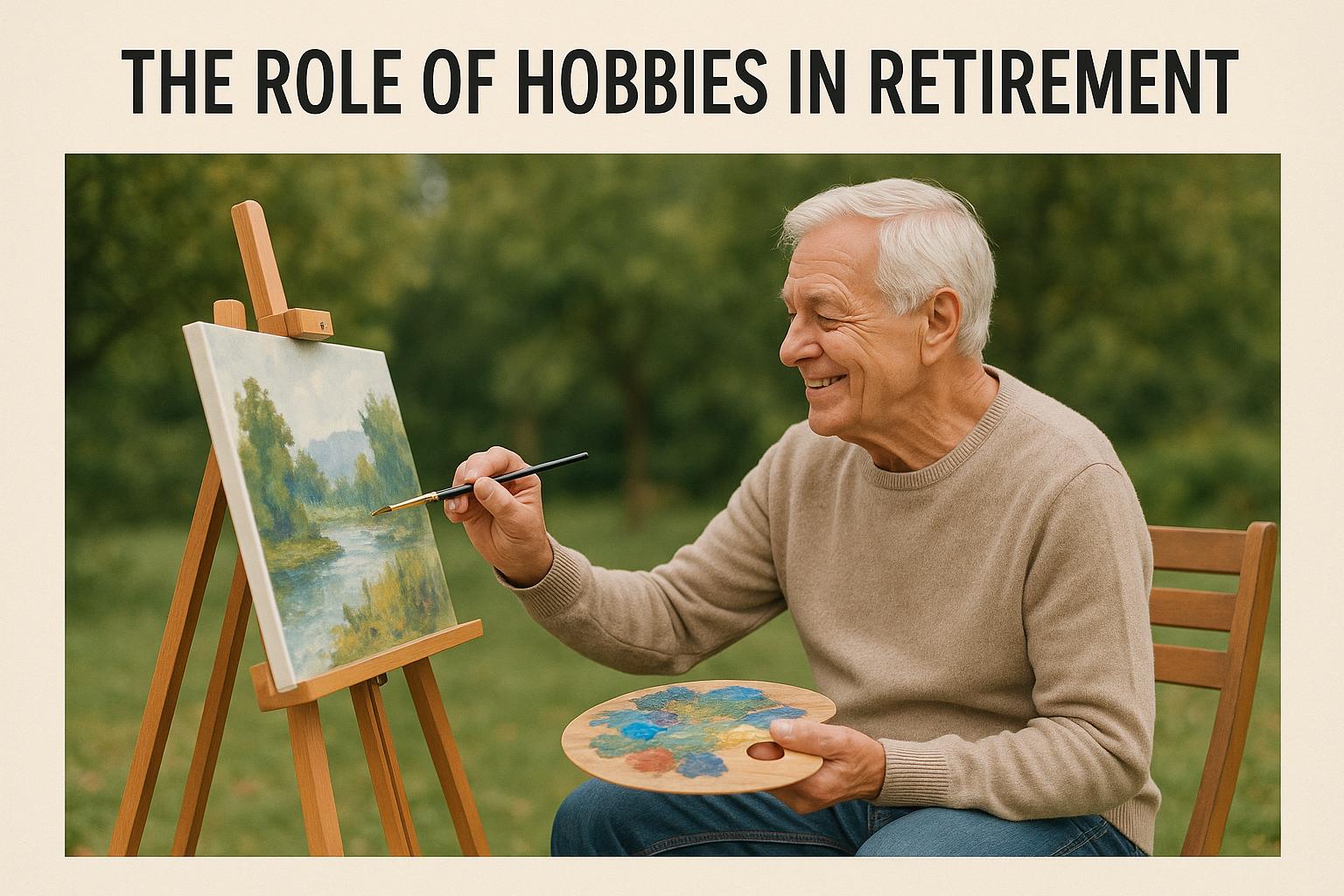
Retirement can sometimes bring about a mix of emotions. Engaging in hobbies that spark joy and provide satisfaction can significantly boost mood and overall emotional well-being. Creative activities such as painting, playing music, or practicing photography serve as excellent outlets for self-expression. They provide a channel to articulate emotions through a non-verbal medium.
These hobbies can reduce stress and anxiety by diverting attention from everyday worries and providing a sense of escape. The concentration required in such activities often results in a meditative state, lowering stress levels and creating a calming effect. Moreover, the sense of accomplishment achieved through completing a project or mastering a piece of music fosters a positive outlook and enhances self-esteem.
Fostering a Sense of Purpose
A notable challenge that accompanies retirement is the potential loss of identity, as individuals disengage from their professional roles. Hobbies can play a key role in bridging this gap by providing structure, routine, and a renewed sense of purpose. Engaging in activities that one is passionate about or learning new skills can instill a sense of achievement and progression.
For instance, retirees can channel their expertise into mentoring or engage in crafting for charity, which allows them to contribute meaningfully to society. These activities not only benefit others but also reinforce the retirees’ sense of purpose and value. Aligning hobbies with community service can create a dual impact of personal fulfillment and social contribution.
In conclusion, as retirees embark on this new chapter of life, exploring hobbies can lead to a multitude of benefits. Each activity, whether physical, intellectual, social, or emotional, builds a vital component of a well-rounded lifestyle. Retirees looking to pursue hobbies can find an abundance of resources online, including resources for senior hobbies and guidelines tailored for specific interests. The benefits of hobbies in retirement are multifaceted, offering physical, mental, social, and emotional advantages, which are crucial for a fulfilling post-retirement life.