
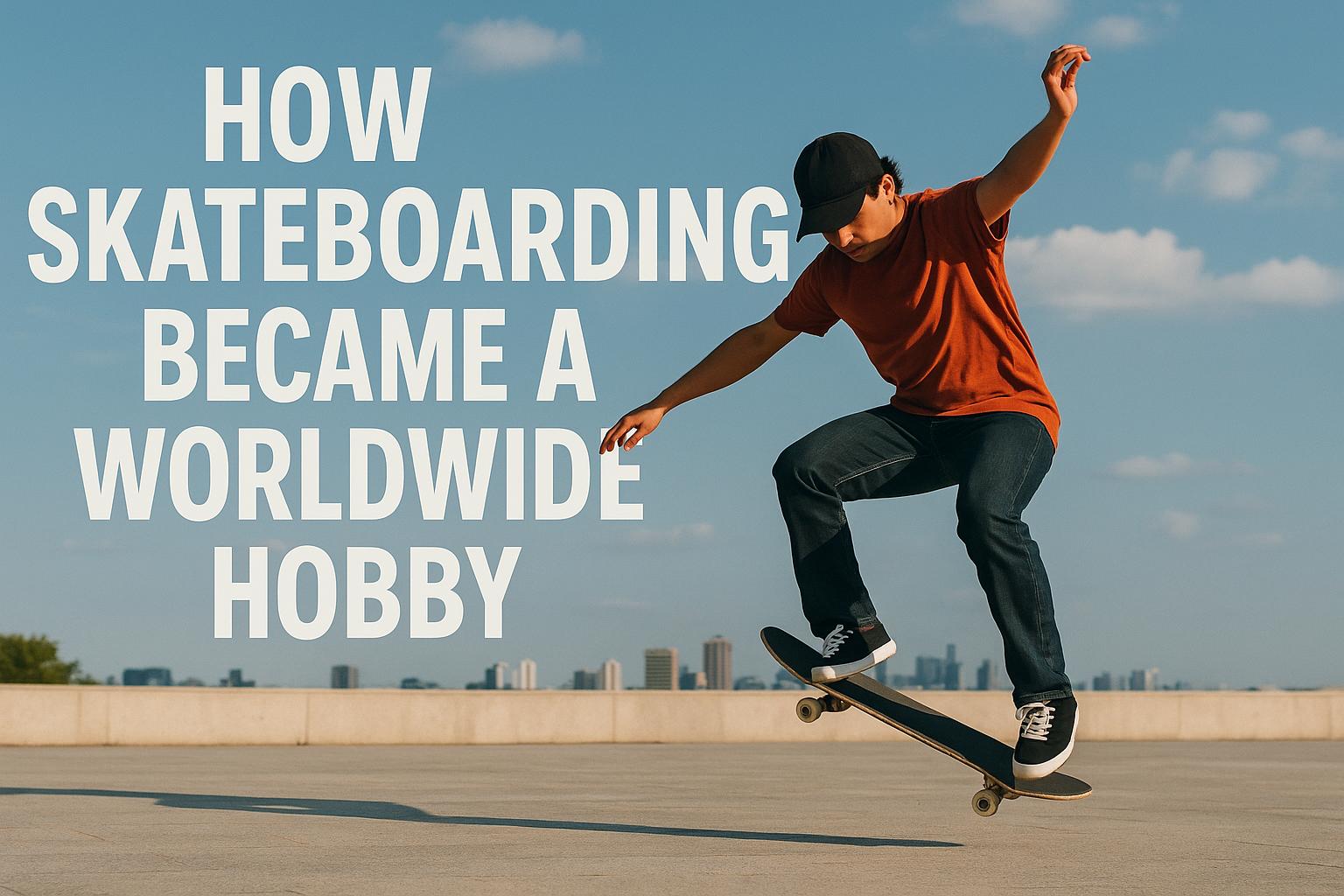
The Emergence of Skateboarding
In the mid-20th century, a novel trend began to take shape along the sun-drenched coasts of California, forever altering the cultural landscape and the way people interacted with personal mobility. Skateboarding took its first strides in the early 1950s and 1960s, originating as a creative solution for surfers on the days when waves were non-existent or too calm to enable surfing. In essence, skateboarding provided them with the much-desired sensation of surfing, but transferred it to the urban terrain of streets and sidewalks.
During its inception, skateboarding was a far cry from what we know today. Skateboards at the time were quite rudimentary, primitively fashioned together by attaching planks to roller skate wheels. Yet, even in this simple form, they ignited a spark that would eventually develop into a major sporting and cultural phenomenon.
Evolution of Skateboarding Equipment
The advancing years saw significant transformations in the design and materials used in the construction of skateboards, paralleling the growing complexity and demands of the sport. The 1970s marked a considerable leap forward with the introduction of polyurethane wheels. This innovation enhanced grip and improved ride quality, significantly elevating the safety and enjoyment of skateboarding. It ushered in a period during which skateboarding began to gain more mainstream acceptance and popularity.
Modern skateboards are crafted from diverse materials, including wood, fiberglass, and various plastics. Each of these components is selected for their specific contributions to the skateboard’s durability and performance. The evolution in skateboarding technology did not stop at materials and construction; skateboard designs have diversified and developed to cater to several styles and disciplines, from street skating, which is characterized by tricks and maneuvers performed in urban environments, to vert skating focused on ramps and aerial displays, and longboarding often favored for downhill racing and cruising.
Influence of Skateboarding Culture
The significance of skateboarding transcends its status as a mere sport. It has flourished into a profound cultural phenomenon with unique and identifiable characteristics. Skateboarding subculture stands out with its distinctive fashion, music, and lifestyle choices. Clothing styles like baggy pants, sneakers, and branded T-shirts have become synonymous with skateboarders. They represent not just a dress code but a way of identifying and being part of a community. Musical genres such as punk rock and hip-hop often accompany this cultural scene, contributing to its vibrant and dynamic ethos. The spread of skateboarding culture is evident as urban environments worldwide bear witness to its influence.
Growth and Popularity Worldwide
The escalated progression of skateboarding from a localized pastime to a global hobby can be traced to several pivotal developments. National and international platforms and competitions have served as a catalyst for its worldwide popularity. Events such as the X Games, which commenced in the 1990s, elevated skateboarding’s profile by providing a stage for showcasing the sport on a global scale. Moreover, the impact of media representation cannot be overstated. Films and video games, particularly titles like “Tony Hawk’s Pro Skater,” have helped disseminate skateboarding culture, introducing it to audience members who might not have otherwise been exposed to skateboarding. These representations have been instrumental in inspiring countless individuals to take up skateboarding, contributing considerably to its mass appeal.
The Role of Urban Development
Urban development plays a crucial role in shaping the manner in which skateboarding is practiced and enjoyed. Skateparks, which began emerging in the 1970s, are dedicated environments for skateboarding activities. They have become essential venues for enthusiasts to gather, practice, and innovate. These spaces are not just recreational zones; they are hotbeds of creativity and skill development. Recognizing their importance, cities worldwide have invested in the design and construction of public skateparks. This investment is driven by the need to provide safe spaces where skateboarders can practice and hone their skills without posing risks to themselves or the public in uncontrolled environments. As a result, skateparks have become vibrant community centers that foster skill development and social interaction among skateboarders.
Conclusion
Skateboarding’s journey from its humble beginnings as a diversion for waves-seeking surfers to a globally celebrated sport and lifestyle is nothing short of remarkable. Its enduring appeal is rooted in its accessibility, the autonomy it offers, and the unique sense of expression it fosters among practitioners. As skateboarding continues to gain support from urban development initiatives and media representations, its popularity shows no sign of waning. Skateboarding remains a prominent feature in the cultural and recreational landscapes worldwide, drawing enthusiasts of all ages to explore the freedom and creativity it embodies, ensuring its legacy as an enduring and dynamic element of modern life.