
Introduction to Birdwatching
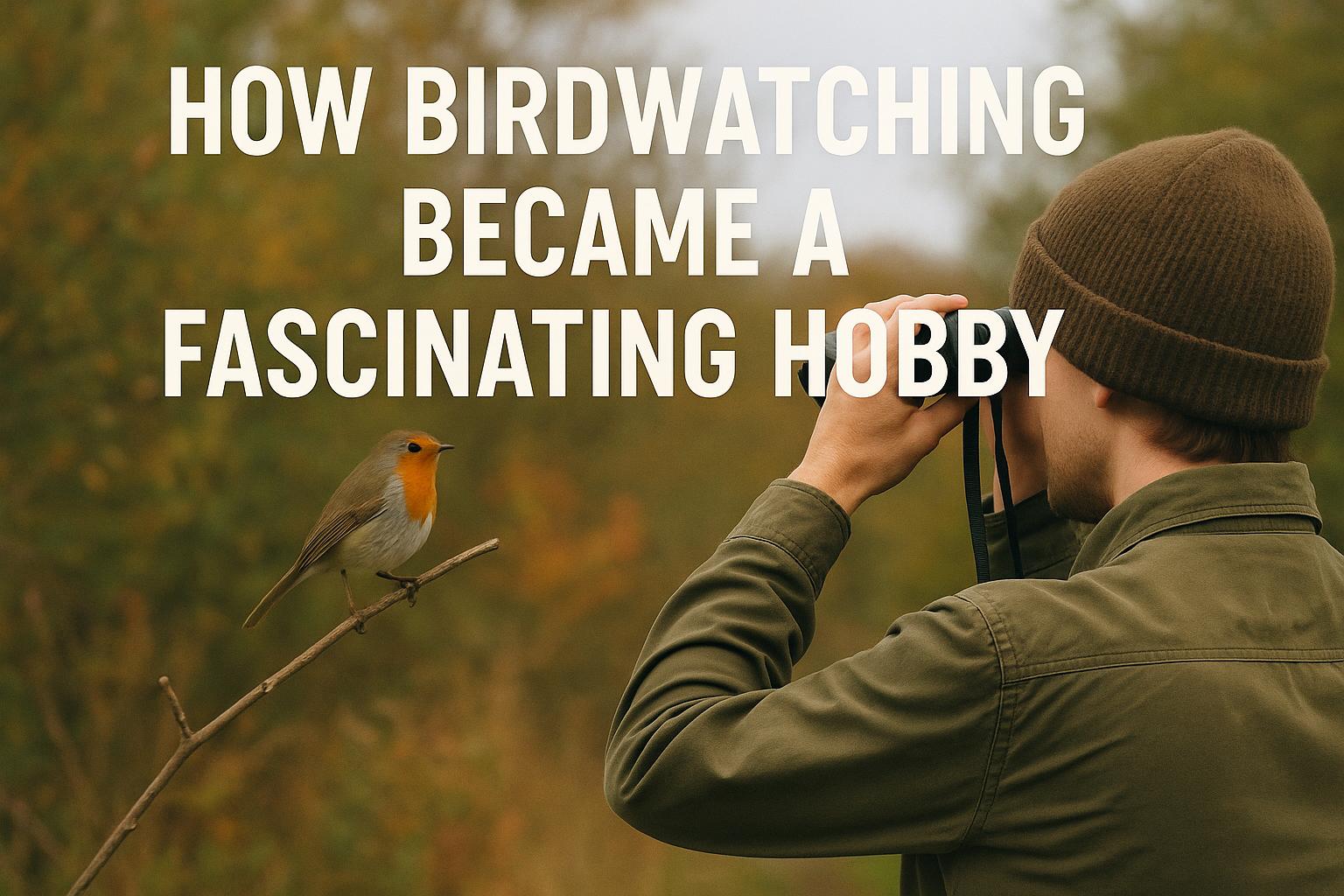
Birdwatching, also known as birding, is the observation of birds as a recreational activity. It has gained popularity worldwide, attracting both amateur and professional enthusiasts. This hobby encompasses various approaches, from visually identifying species to listening for bird calls. Understanding the evolution of birdwatching offers insight into why it has become such a fascinating pastime.
Origins of Birdwatching
Historically, birdwatching’s roots can be traced back to the 18th century, primarily in European countries. During this period, the scientific community began documenting and classifying birds, leading to greater public interest. Early birdwatchers often relied on loud firearms to collect specimens for study. Over time, the approach shifted towards observation and documentation without harming the birds.
The initial phase of birdwatching was closely tied to ornithology, the scientific study of birds. As naturalists and explorers began to record the diverse avian species they encountered, the general public grew more intrigued by these feathered creatures as well. This fascination slowly transitioned into a desire to observe and appreciate birds in their natural habitats, rather than capture them for scientific purposes.
The Development of Birdwatching as a Hobby
The 20th century saw significant advancements that transformed birdwatching into a popular hobby. Binoculars became more affordable and widely available, allowing enthusiasts to view birds from a distance without disturbing their natural behavior. Additionally, the publication of comprehensive field guides equipped birdwatchers with essential knowledge, enabling them to identify various species with ease.
Field guides written by experts presented a wealth of information, from visual identification markers to behavioral traits. Such resources gave birders the tools they needed to learn while out in the field, broadening the appeal and accessibility of the activity. Furthermore, the illustrative and photographic content in field guides helped cement birdwatching as a recreational pastime rather than just a niche interest.
The establishment of bird societies and clubs provided a platform for enthusiasts to share information and experiences. Organizations such as the National Audubon Society in the United States and the Royal Society for the Protection of Birds (RSPB) in the United Kingdom contributed significantly to raising awareness and promoting bird conservation efforts. These groups arranged field trips, lectures, and events that not only fostered community but also heightened awareness about the importance of preserving bird habitats.
Technological Impacts on Birdwatching
Advancements in technology have further enhanced the birdwatching experience, making it more engaging and accessible. Digital cameras allow birdwatchers to capture images and videos, while smartphone apps provide resources for identifying and learning about different species. Many enthusiasts now use mobile applications to track their sightings and connect with other birdwatchers globally.
The integration of technology into birdwatching has opened up new possibilities. Optical technology has improved, offering clearer and more precise visual experiences, with high-definition binoculars and spotting scopes bringing distant birds into sharp focus. Smartphones and apps have revolutionized bird identification processes, enabling users to access libraries of bird calls and reference images instantaneously, often while still in the field.
The internet has played a crucial role in developing online communities and resources, enabling birdwatchers to share data and participate in citizen science projects. Platforms such as eBird provide a database of bird observations, fostering collaborative research and conservation efforts. This massive repository of information aids in tracking bird migration, recording rare sightings, and analyzing population changes over time.
Birdwatching and Conservation
Birdwatching has a close relationship with conservation. By engaging with the natural environment, birdwatchers develop a deeper appreciation for wildlife and are often motivated to participate in conservation initiatives. Many birdwatching organizations actively promote habitat preservation and restoration projects.
Engagement in birdwatching often leads to increased environmental consciousness. Enthusiasts become more aware of the ecological challenges facing bird populations, such as habitat destruction, climate change, and pollution. This awareness fosters advocacy for policies that protect birds and their habitats, and many birdwatching individuals or groups initiate or participate in restoration activities.
Furthermore, data collected by birdwatchers is valuable for scientific research, helping to track bird populations, migration patterns, and the effects of environmental changes. This collaborative effort between recreational birdwatchers and scientists contributes to more effective conservation strategies. Citizen science projects, bolstered by data collected through platforms like eBird, enable scientists to gather a wide array of information over extensive geographic areas, which would otherwise be challenging or impossible.
Conclusion
Birdwatching has evolved from a niche scientific interest into a popular hobby that attracts individuals of all ages. Its growth can be attributed to technological developments, increased access to information, and a heightened awareness of conservation issues. As an engaging activity that promotes mindfulness and a connection with nature, birdwatching continues to captivate and inspire individuals around the world.
The continued evolution of birdwatching ensures its relevance as both a personal and communal pursuit. While technology and resources change the way people engage with birdwatching, the core allure of observing birds in their natural environments remains a strong draw. As such, birdwatching fulfills not only a recreational need but also plays a critical role in environmental education and biodiversity protection efforts globally.