The Significance of Collecting Vintage Items
Collecting vintage items is an activity that vividly combines history, culture, and personal interest, intertwining the past with the present. Enthusiasts are drawn to these collections for numerous reasons such as historical value, aesthetic appeal, and the uniqueness of craftsmanship that these items exhibit. Unlike modern mass-produced goods, vintage items reflect the styles, technologies, and materials of their respective periods, offering collectors a tangible connection to the past.
The Historical Value of Vintage Items
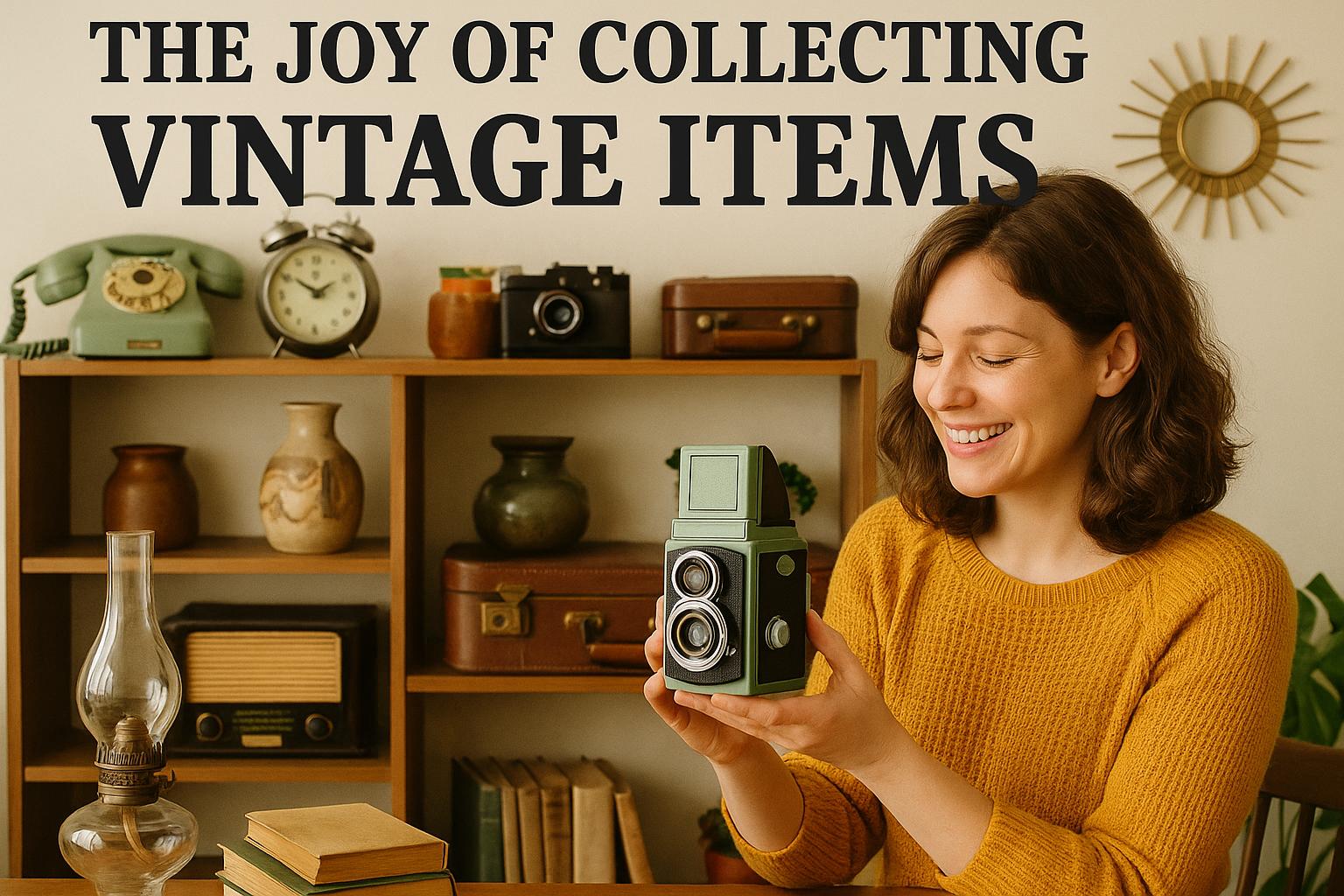
Vintage items can be seen as relics that narrate the stories of the eras they were crafted in. They are powerful artifacts that depict the evolution of technologies, societal norms, and cultural trends. For instance, a vintage radio acts as a window into the technological advances and design aesthetics characteristic of the early 20th century. Similarly, clothing from earlier periods offers insight into the prevailing social and cultural norms, serving as an unspoken chronicle of bygone eras. Collecting these objects allows individuals to maintain a physical connection to historical narratives that might otherwise be forgotten, making them stewards of cultural heritage.
Artistic and Aesthetic Appeal
The unique artistic qualities of vintage items are a significant draw for many collectors. Mid-century furniture, vintage posters, classic automobiles—each of these items embodies a level of craftsmanship often missing in contemporary production. These pieces are not merely functional; they also serve as standalone art pieces that can enormously enhance the visual appeal of any space. Their distinct styles and colors imbue rooms with a unique charm, creating an ambiance that modern pieces often can’t replicate.
Rarity and Uniqueness
The rarity of vintage items significantly contributes to their desirability and uniqueness. As time progresses, the availability of vintage items dwindles, making them increasingly sought after by collectors. This rarity often increases the collectible’s value over time; demand commonly surpasses supply. Therefore, collecting vintage items can be a personal passion as well as an astute investment strategy, as the value of these items often appreciates considerably over time.
Preservation and Sustainability
Beyond mere collection, acquiring vintage items can have a positive impact on environmental sustainability. By curating and preserving items from the past, collectors inherently reduce the demand for new products. This practice alleviates the strain on natural resources and aids in minimizing waste. Moreover, the preservation of vintage items ensures that future generations continue to have access to these historical artifacts, fostering a deeper appreciation for history and culture across multiple generations.
For those keen on starting their collections, thorough research and community engagement are pivotal. The landscape of vintage collecting is supported by numerous sellers on online platforms and local markets where vintage items can be procured or exchanged. Furthermore, engaging with experienced collectors can yield invaluable insights and advice for building a meaningful collection, enhancing both personal fulfillment and potentially, financial gains.
In conclusion, collecting vintage items is a profoundly fulfilling activity that bestows numerous benefits—from preserving vital historical narratives to enriching personal spaces. For enthusiasts, every item collected represents a piece of a broader story, one that continuously captivates curiosity and inspiration across generations.
Building a Vintage Collection
To begin building a meaningful vintage collection, one must first identify a niche of interest. Whether your passion lies in vintage technology, fashion, or home décor, immersing yourself in the specifics of that particular area is essential. Learn to distinguish between various styles, periods, and makers to ensure authenticity and value in your acquisitions. Joining collector communities, both online and offline, can provide guidance and mentorship from seasoned collectors who have navigated this niche community successfully.
Understanding the Marketplace
An understanding of the vintage marketplace is crucial for any aspiring collector. This includes knowledge of reputable sellers, auction houses, and local thrift stores. Online platforms such as eBay, Etsy, and dedicated vintage marketplaces offer valuable avenues for sourcing items. Attending estate sales, antique fairs, and flea markets also enhances the chance of uncovering unique pieces. Connections formed at these venues can open doors to private sales and collector networks.
Evaluating Condition and Authenticity
Condition and authenticity are two key aspects that influence the value of vintage items. Prospective collectors should develop an astute eye for evaluating the condition of items, looking for signs of age, wear, and repair. Learning to spot reproductions requires careful study, as replicas can often be deceivingly similar to original pieces. Consult reference books, expert evaluations, and product histories to verify authenticity, ensuring that your collection maintains its historical and monetary value.
The Joy of Restoration
For many collectors, the restoration process is a rewarding aspect of collecting vintage items. Bringing an item back to its original splendor can be an extremely gratifying endeavor. It involves detailed research and meticulous labor, but the end result often justifies these efforts. Restoration not only revitalizes items aesthetically but also preserves their usability, allowing future generations to experience these cherished artifacts in their intended form.
Making a Personal Connection
Collecting vintage items often leads to a personal connection with the past, offering tangible links to previous generations. This connection can evoke both personal and communal history, serving as conversation starters that broaden understanding and mutual appreciation among friends, family, and fellow enthusiasts. The stories and memories associated with each vintage item contribute to a living history that enriches both the collection and the collector.
Engaging in vintage collecting fosters a multifaceted appreciation for the varied and rich histories encapsulated in each piece. It is an enriching journey that combines personal passion with historical preservation, aesthetic enjoyment, and, at times, financial investment. As collectors amass collections, they build bridges across time, developing a profound appreciation for the evolution of design, craftsmanship, and lifestyle across cultures and eras.