
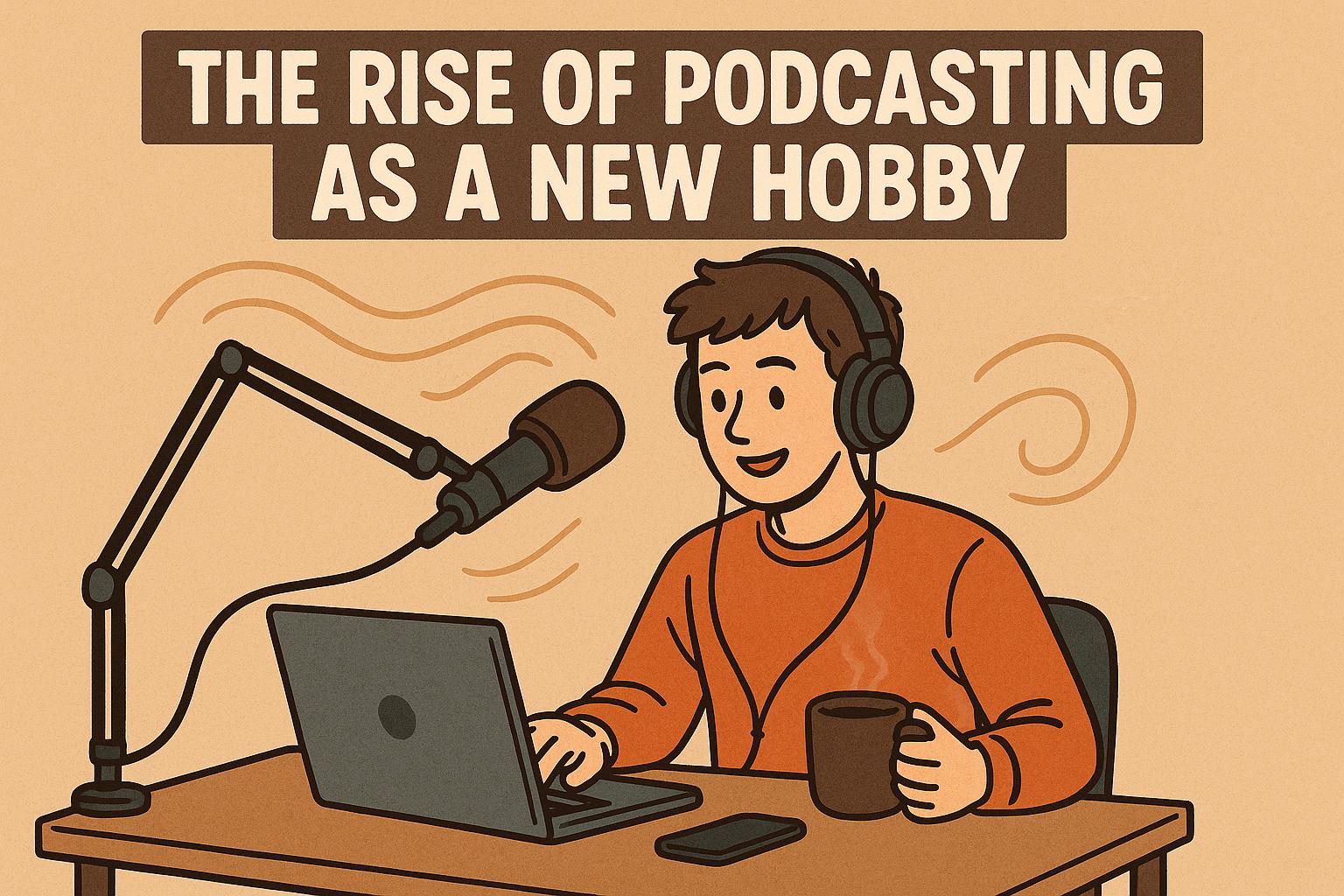
The Evolution of Podcasting
Podcasting has evolved significantly since its inception in the early 2000s. Originally a niche segment of digital broadcasting, podcasting has grown into a mainstream media form consumed by millions globally. As technological advancements continue to reshape how we consume media, podcasting has gained popularity as an accessible and flexible platform for information and entertainment dissemination.
Technology and Accessibility
A primary factor contributing to the rise of podcasting is the widespread accessibility of technology. Smartphones and improved internet connectivity have made it easier for individuals to listen to podcasts anytime and anywhere. The advent of mobile technology has significantly reduced the barriers to accessing digital content. With most people owning a smartphone, podcasts have become just a tap away. Moreover, improvements in data plans and Wi-Fi availability have further facilitated the ease with which audiences can download or stream content, allowing for uninterrupted listening on the go.
Furthermore, the production tools available for creating podcasts have become more user-friendly and cost-effective, enabling more people to create their own podcasts as a hobby. This democratization of technology has allowed individuals from various backgrounds to engage in content creation without the need for expensive equipment or specialized technical knowledge. Free and open-source software, along with affordable recording equipment, has contributed significantly to this trend.
Platforms and Distribution
The rise of podcasting can also be attributed to the proliferation of platforms that support content distribution. Services such as Spotify, Apple Podcasts, and Google Podcasts offer diverse catalogs, making it easier for listeners to find content that matches their interests. These platforms not only host an extensive array of podcasts but also offer a range of tools and analytics to help podcasters understand and reach their audiences effectively.
Additionally, with integrated search functions and curated lists, listeners are empowered to explore new subjects and genres they might not have initially considered. Platform algorithms also play a role by suggesting content based on listening habits, thereby expanding the audience’s engagement with the podcasting world. Several platforms provide useful resources on creating and distributing podcasts, thus lowering the entry barrier for new podcasters. As a result, both amateurs and professionals have found opportunities to share their voices with a global audience.
Diverse Content and Niches
Unlike traditional media formats, podcasts offer a broad range of content. From educational and informative shows to entertainment and storytelling, podcasts cover nearly every topic imaginable. This diversity has allowed listeners to discover content that aligns with their personal interests, further fueling the medium’s popularity. The rich variety extends to formats as well, with options ranging from interviews and narrative storytelling to investigative journalism and serialized fiction.
Podcasts have carved out niches that cater to specific communities or interests, offering in-depth exploration of topics often overlooked by mainstream media. This has enabled the creation of highly specialized content, allowing experts or enthusiasts to delve into subjects with a depth not typically accommodated by other media formats. Whether it’s a deep dive into a historical event or niche hobbies like bird watching, podcasts provide something for everyone, appealing to broad and specialized audiences alike.
Community and Engagement
Podcasts often foster a strong sense of community among listeners and creators. Many podcasters engage with their audience through platforms such as social media and dedicated community forums. This interaction enhances the listening experience by allowing fans to connect with both the content and each other. Forums, social media groups, and live events create a bridge between content creators and their audience, fostering a community atmosphere.
Listener engagement often translates into a sense of camaraderie, where community members share ideas, recommendations, and feedback. This reciprocal communication can influence content direction and help podcasters refine their material to align more closely with listener preferences. It nurtures a loyal listener base who feel a connection not only to the podcast content but also to its creators and fellow listeners.
Monetization Opportunities
For those considering podcasting as more than just a hobby, monetization presents another dimension. Earning potential through sponsorships, membership models, and advertising plays a role in the medium’s attractiveness for creators. Third-party resources like Patreon support podcasters in monetizing their content effectively. The growing popularity of podcasts has attracted advertisers looking to tap into engaged and niche audiences.
Sponsorships offer podcasters the chance to collaborate with brands that align with their content and audience demographics. Membership and subscription models allow listeners to support creators directly, often in exchange for bonus content or exclusive episodes. This framework not only generates revenue for podcasters but also strengthens the connection between creators and their audience, as supporters feel directly involved in the success of the podcast.
Conclusion
The rise of podcasting as a new hobby is intertwined with advancements in technology, content diversity, and community interaction. As more individuals explore podcasting either as creators or listeners, the medium continues to grow and evolve, offering both entertainment and educational possibilities across a wide spectrum of interests. The ongoing expansion of this digital landscape promises to introduce even more innovative formats and voices, enriching the podcasting realm further.
The future of podcasting appears to be one of continued innovation and diversity, with possibilities for new content areas, interactive storytelling, and integrated multimedia experiences. As creators and listeners alike navigate this evolving medium, the impact of podcasting on personal and professional landscapes will likely continue to expand. With every passing year, podcasting not only embeds itself deeper into popular culture but also refines its role as an influential medium that connects people and ideas across the globe.